
- Information
- Reviews
What's included
PACKAGE INCLUDES
- Transport with privet air-conditional luxury vehicle.
- English speaking chauffer Guide.
- Luxury Hotels with A/C Rooms & Swimming pool, Breakfast &Dinner.
- Water bottles during the transport.
TERMS & CONDITIONS
- Price shown is a starting price and is subject to change, depending on travel dates / the number of people travelling etc.
- Price show is based on two people sharing a double / twin room
Want to change this itinerary? That`s cool with us.
Day 01 – AIR PORT / NEGOMBO
AM : Arrival in Colombo, Welcome and assistance on arrival at the airport and transfer to the Hotel.
PM : In the evening visit negombo or Colombo city tour & fish market & fishing village in negombo after that return to the hotel Dinner and overnight stay at the hotel.
Day 02 – NEGOMBO /ANURADHAPURA
AM : After Breakfast leave to Anuradhapura.
Visit Wilpatthu Nationl Park by jeep. (jeep safari)
PM : Dinner at the hotel and overnight stay at the hotel.
Wilpatthu National Park
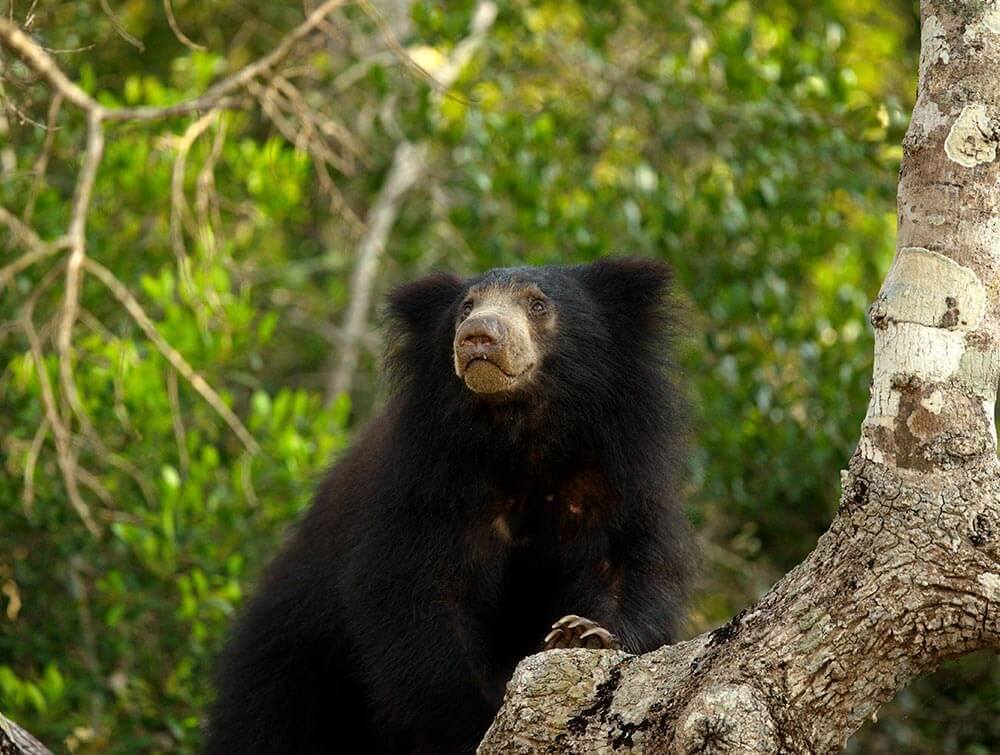
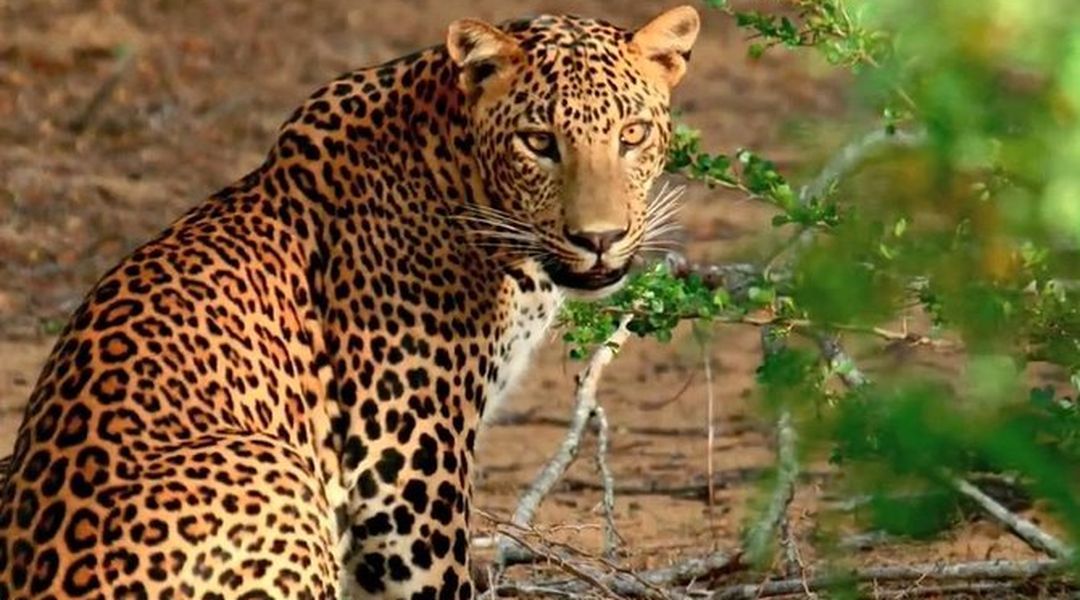
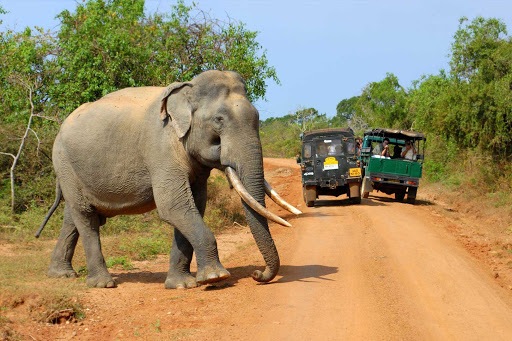
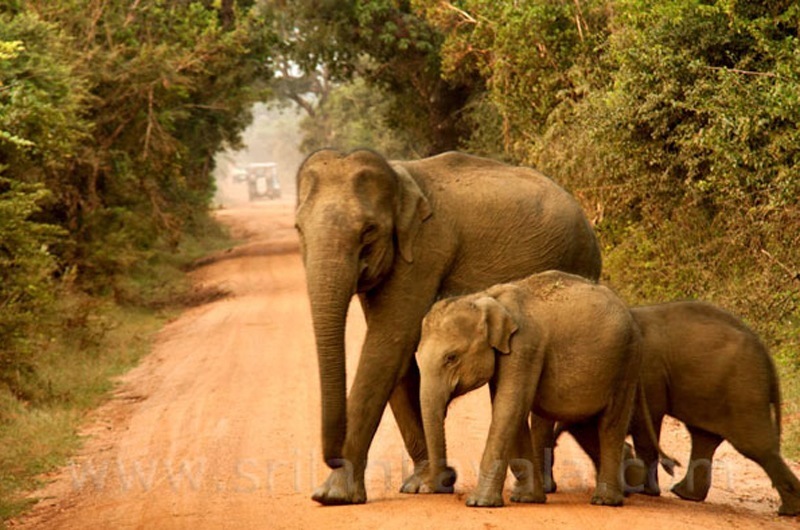
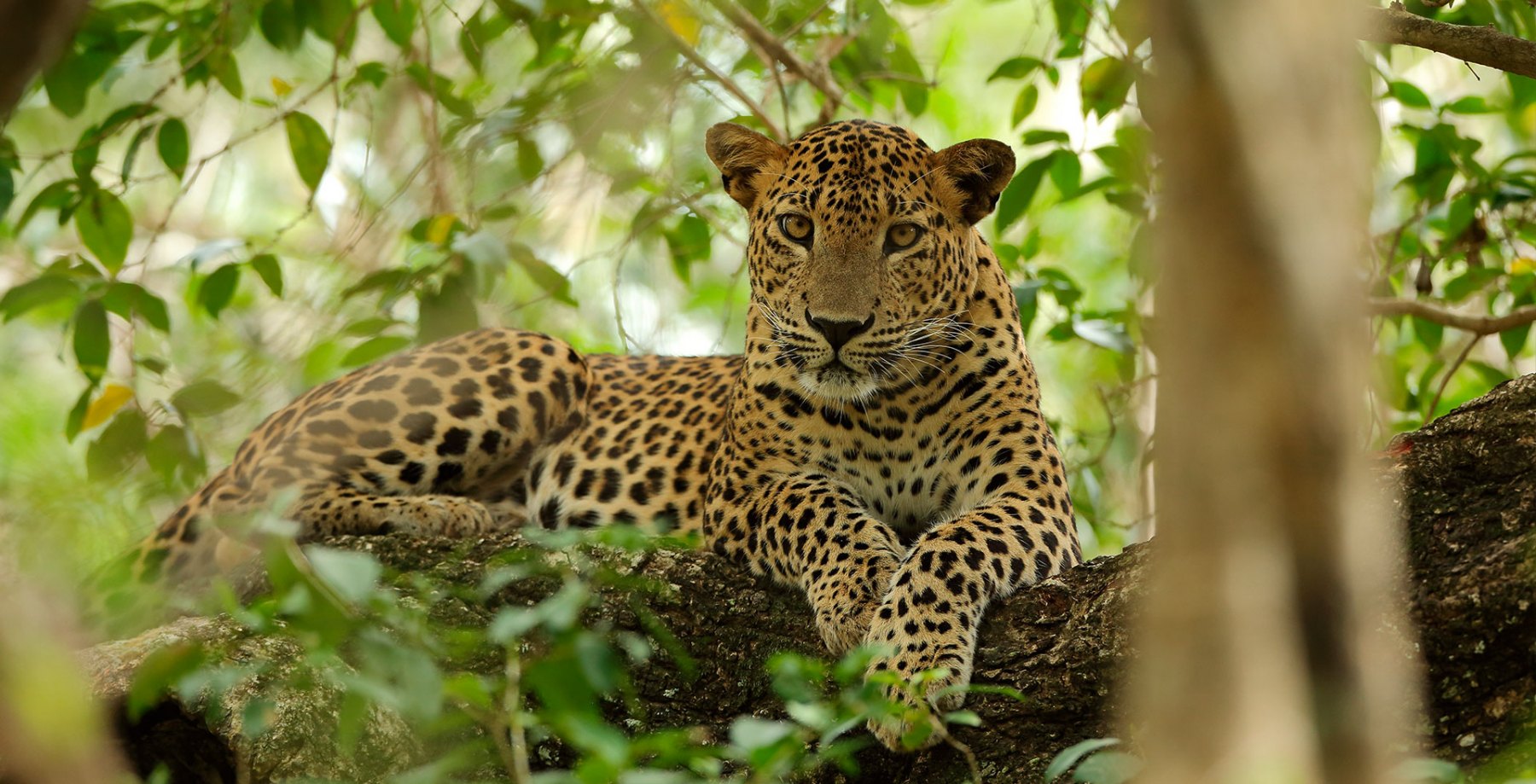
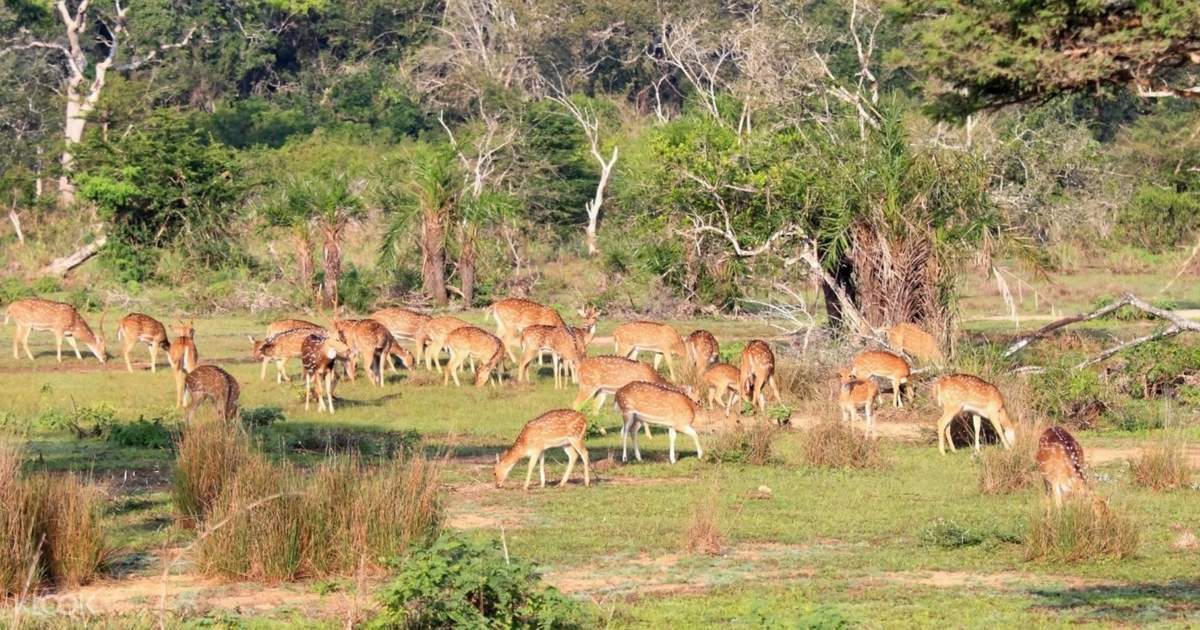
Wilpattu National Park (Willu-pattu; Land of Lakes) is a park located on the island of Sri Lanka. The unique feature of this park is the existence of “Willus” (Natural lakes) – Natural, sand-rimmed water basins or depressions that fill with rainwater. Located in the Northwest coast lowland dry zone of Sri Lanka. The park is 1,317 square kilometers (131, 693 hectares) and ranges from 0 to 152 meters above sea level. Nearly one hundred and six lakes (Willu) and tanks are found spread throughout Wilpattu. Wilpattu is the largest and one of the oldest National Parks in Sri Lanka. Wilpattu is among the top national parks world-renowned for its leopard (Panthera pardus kotiya) population.
Day 03 – ANURADHAPURA- SIGIRIYA
AM : After Breakfast Visit Ancient city of Anuradhapura.
PM : Proceed to the Sigiriya Hotel At leisure, Dinner and overnight stay at the hotel .
Anuradhapura
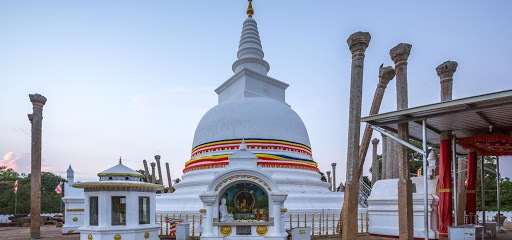
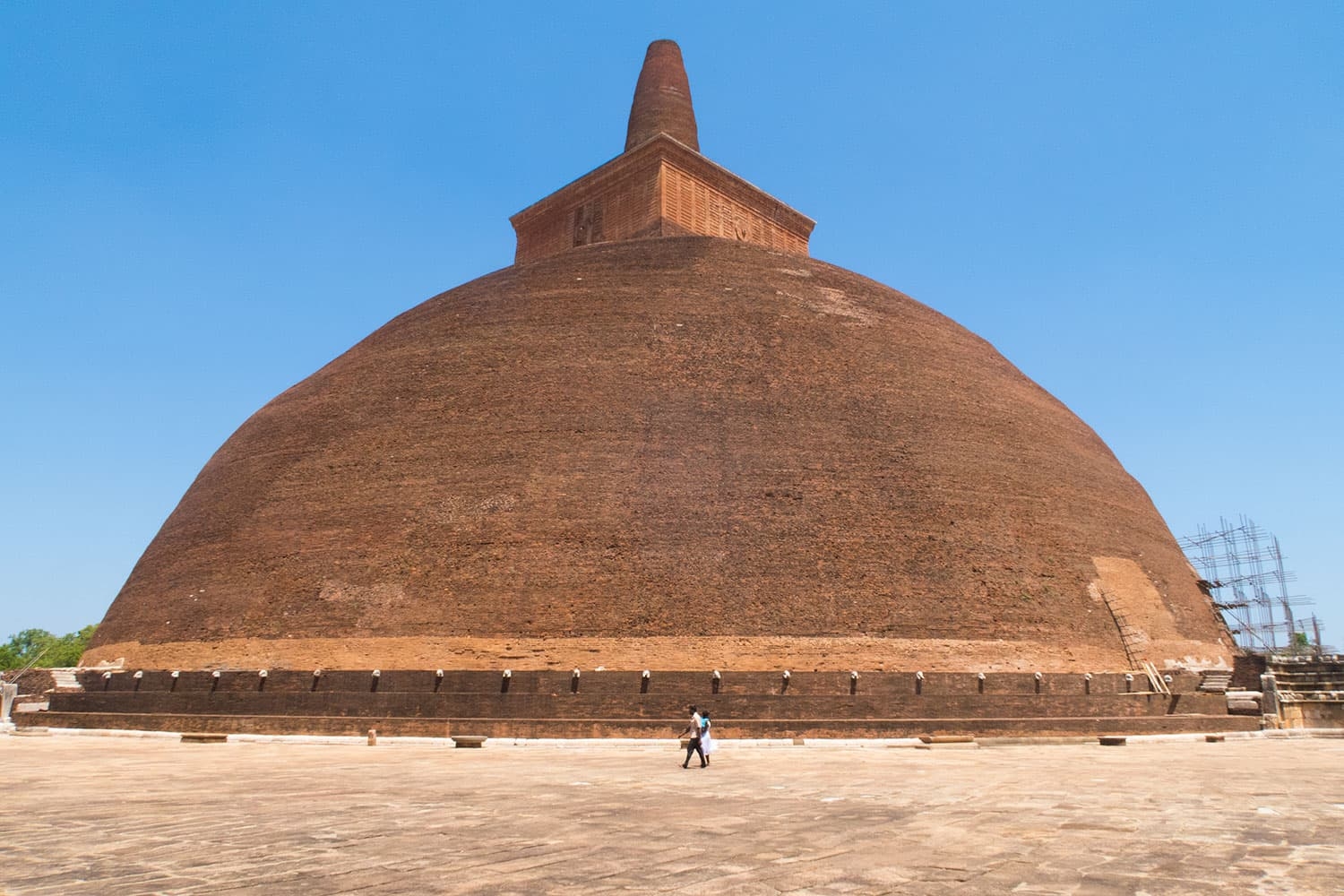
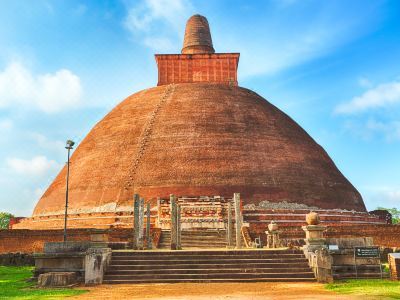
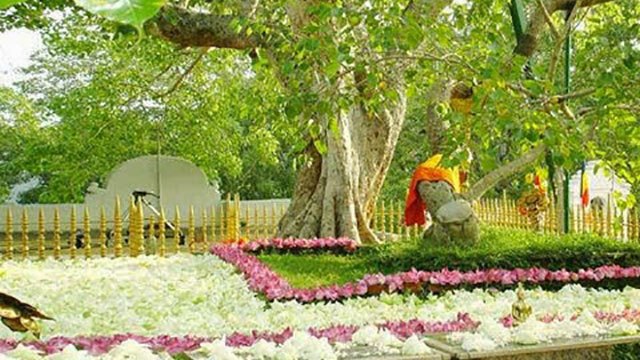
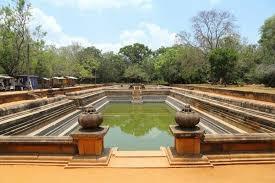
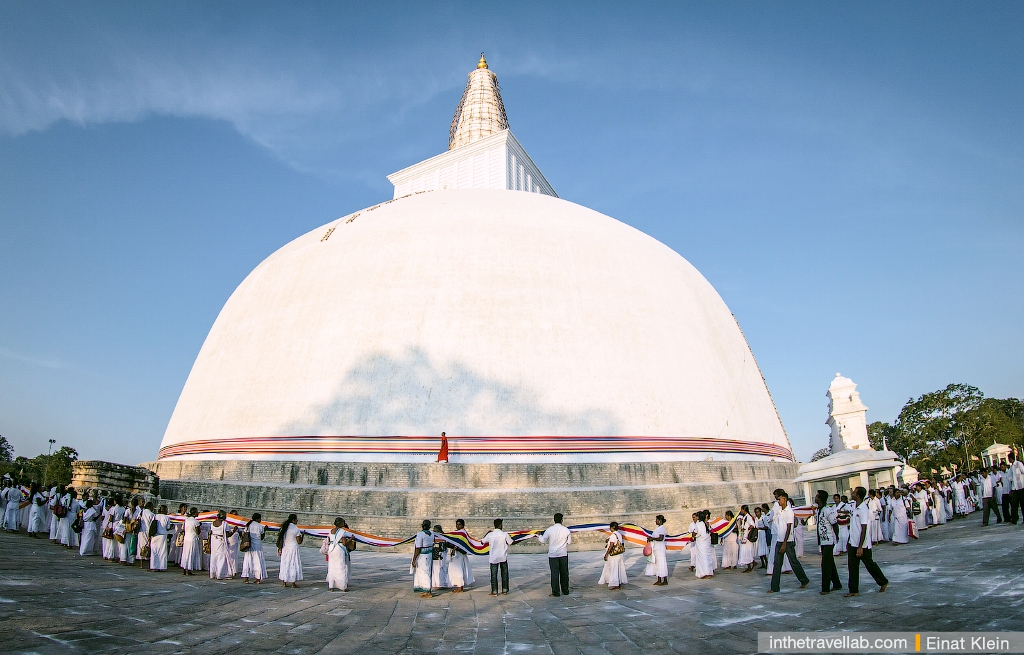
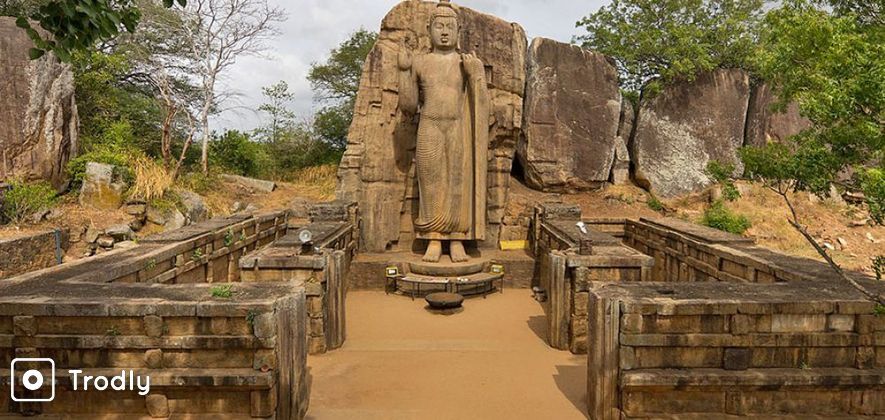
The city, now a World Heritage site, was the centre of Theravada Buddhism for many centuries. The city lies 205 km (127 mi) north of the current capital of Colombo in the North Central Province, on the banks of the historic Malvathu River. It is one of the oldest continuously inhabited cities in the world and one of the eight World Heritage Sites of Sri Lanka.
Day 04 – SIGIRIYA
AM : After Breakfast Visit Sigiriya Rock and Village tour with lunch.
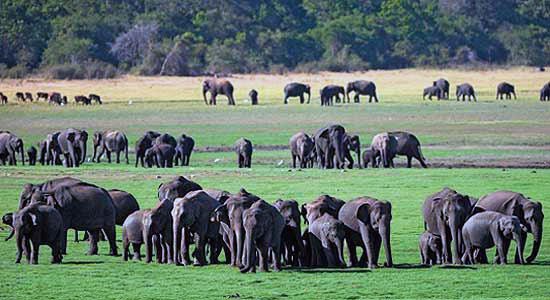
PM : Visit Minneriya National Park by jeep (Jeep Safari) Dinner & overnight stay at the hotel.
Sigiriya
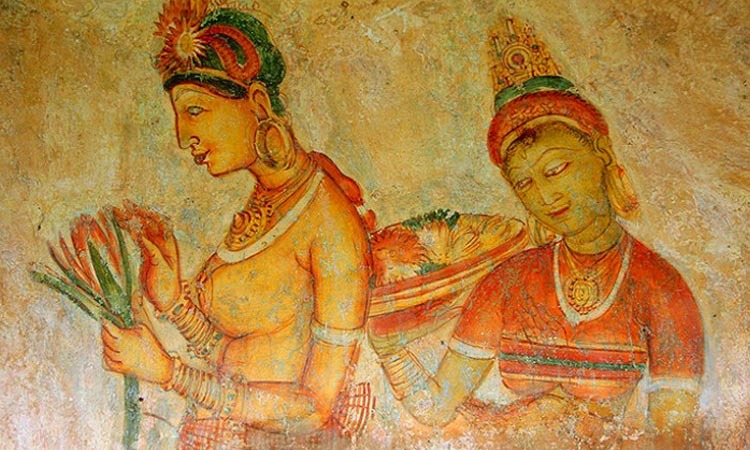
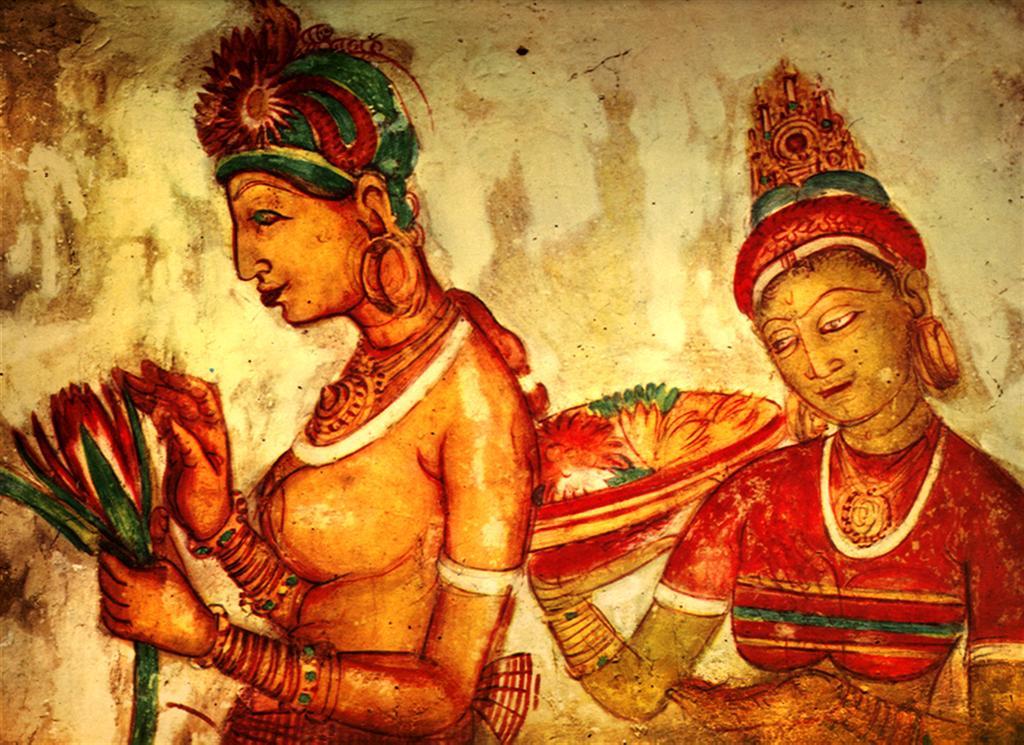
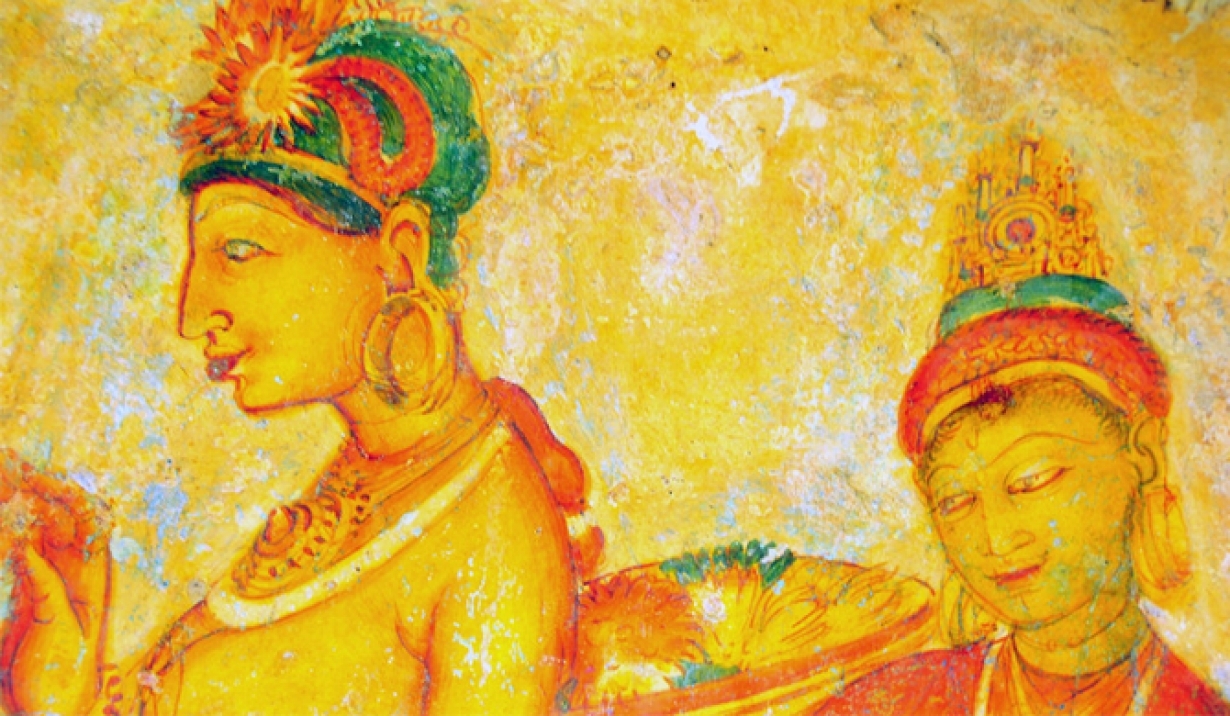
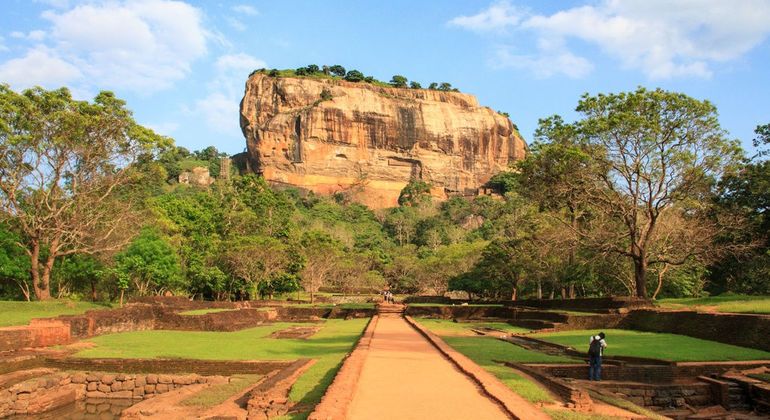
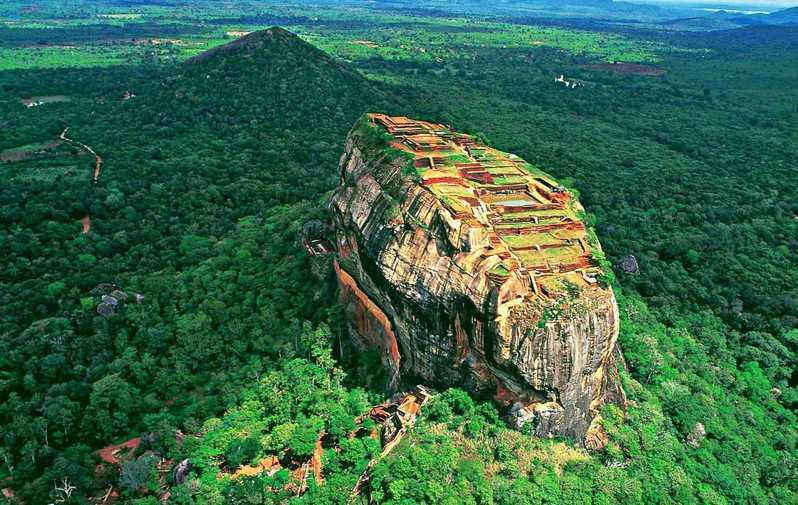
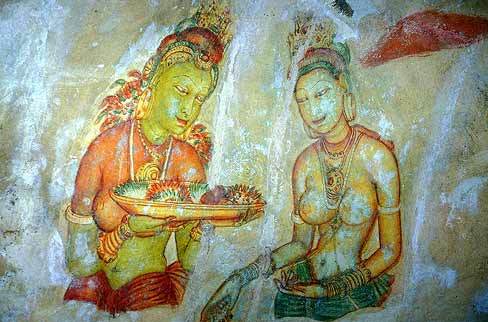
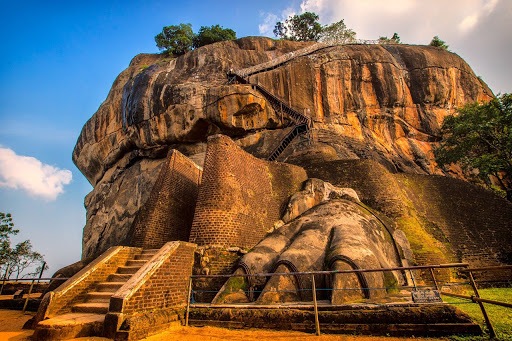
According to the ancient Sri Lankan chronicle the Cūḷavaṃsa, this area was a large forest, then after storms and landslides it became a hill and was selected by King Kashyapa (AD 477–495) for his new capital. He built his palace on top of this rock and decorated its sides with colourful frescoes. On a small plateau about halfway up the side of this rock he built a gateway in the form of an enormous lion. The name of this place is derived from this structure; Sīnhāgiri, the Lion Rock (an etymology similar to Sinhapura, the Sanskrit name of Singapore, the Lion City).
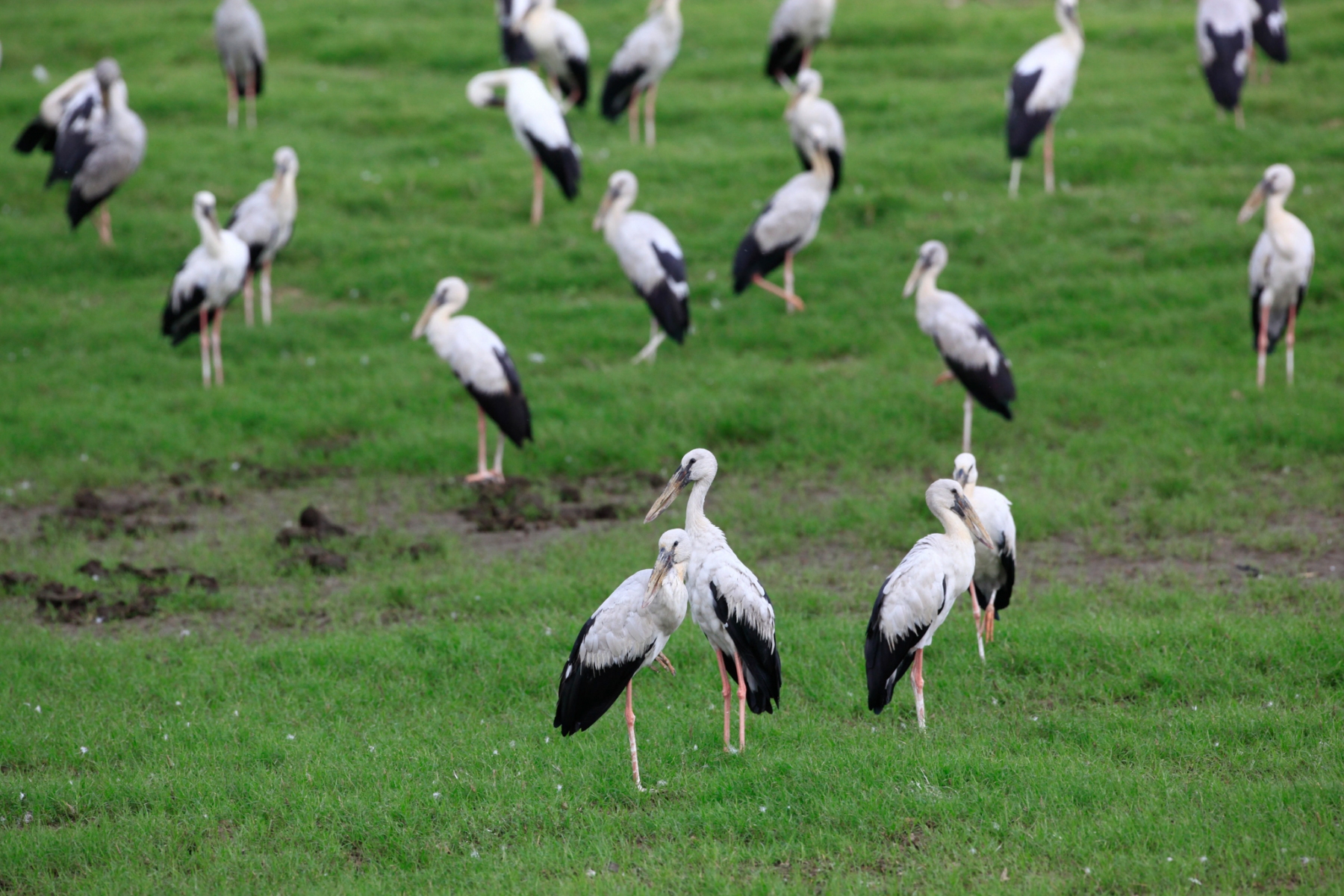
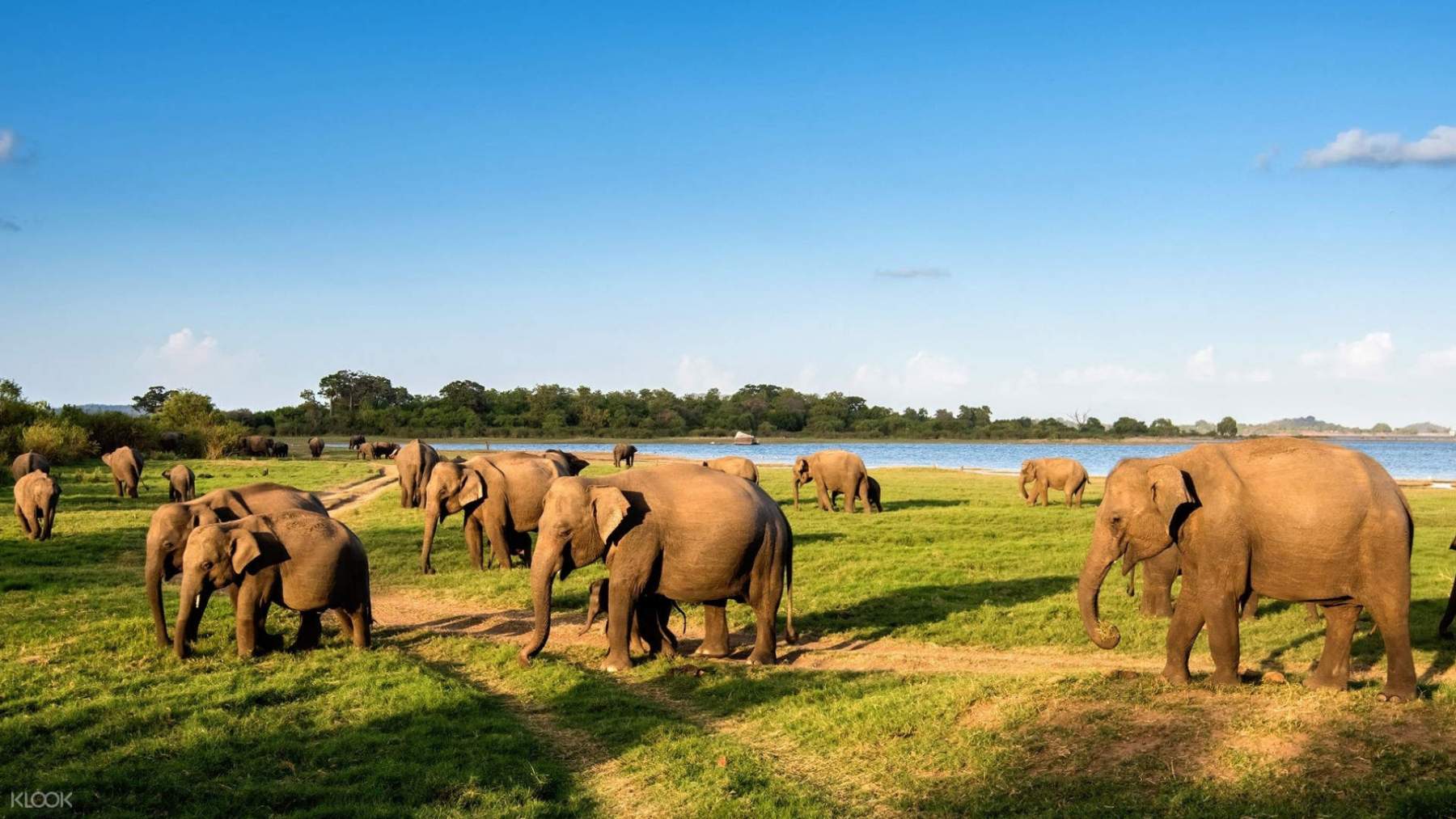
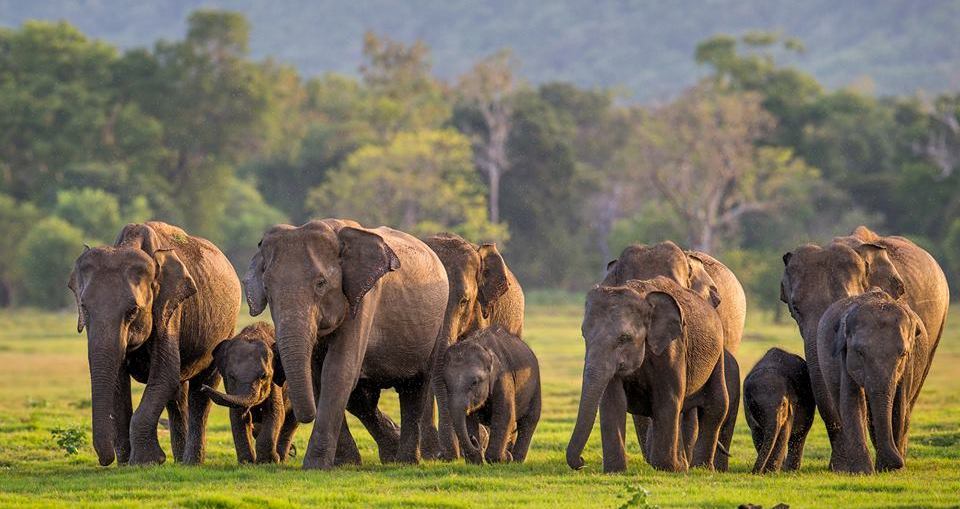
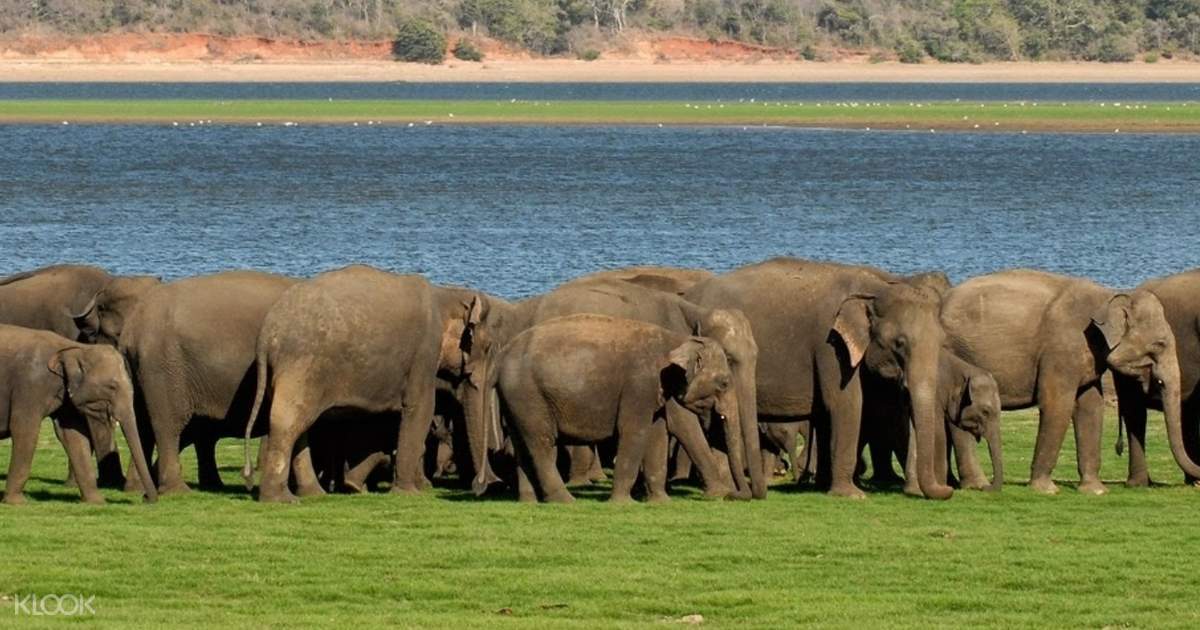
Minneriya National Park
Day 05- SIGIRIYA / DAMBULLA / MATALE / KANDY
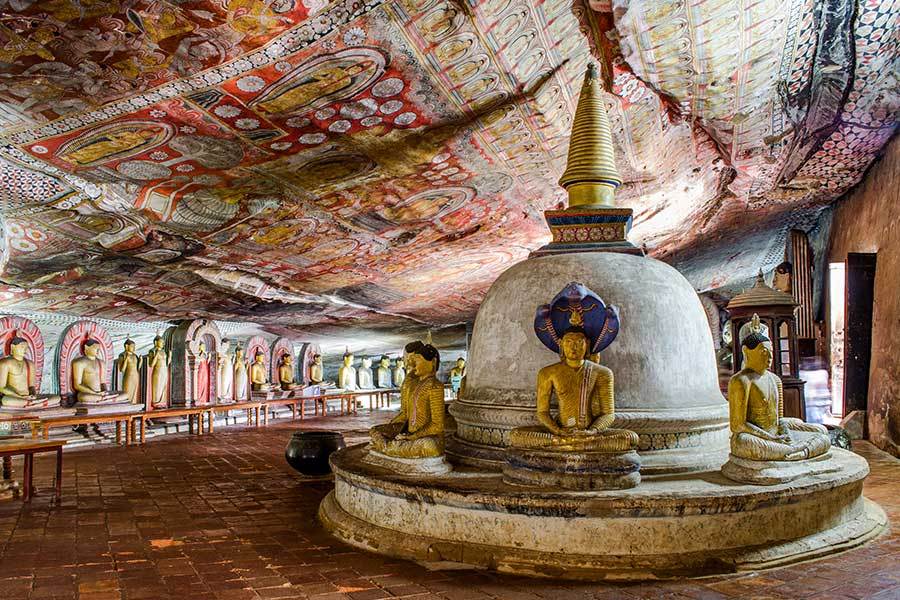
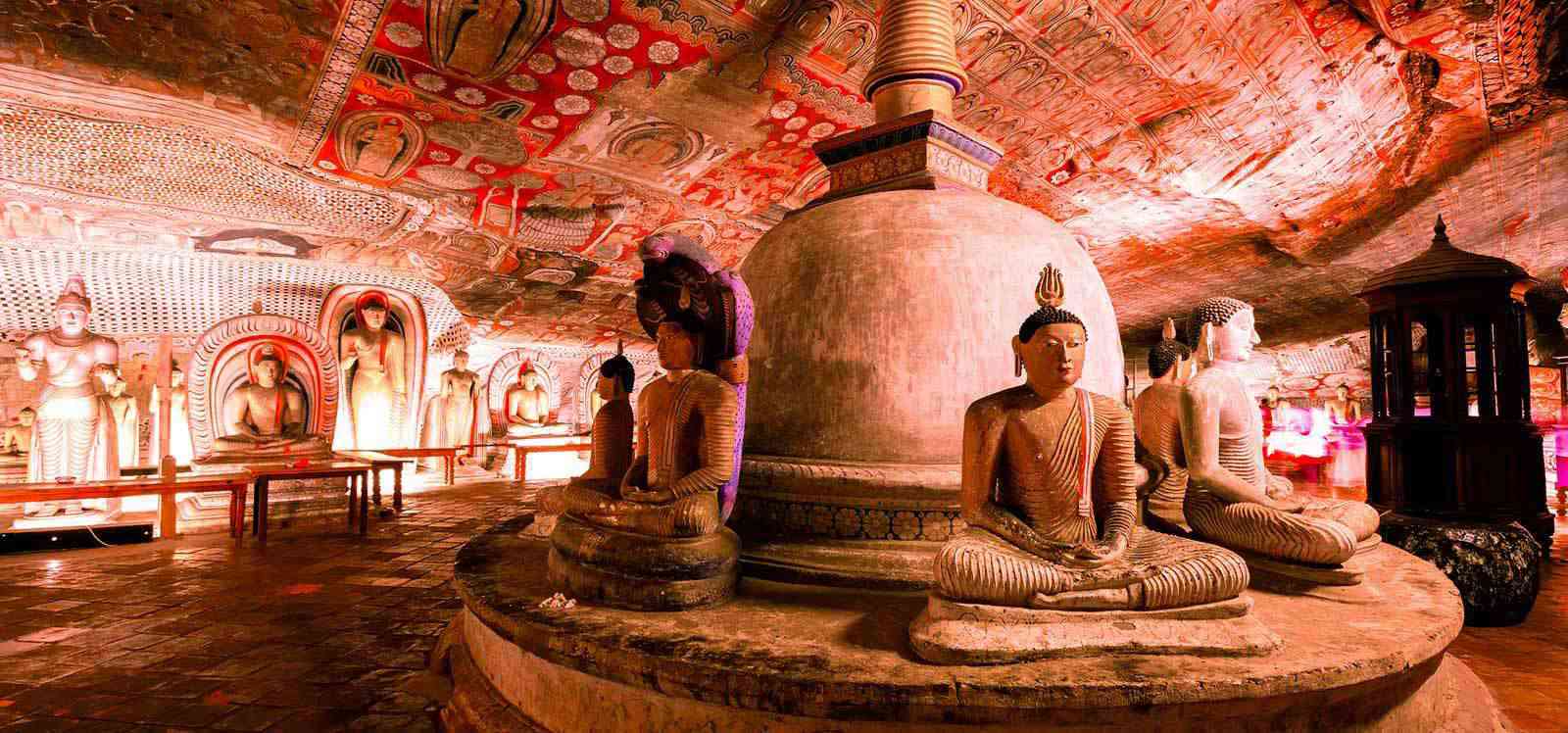
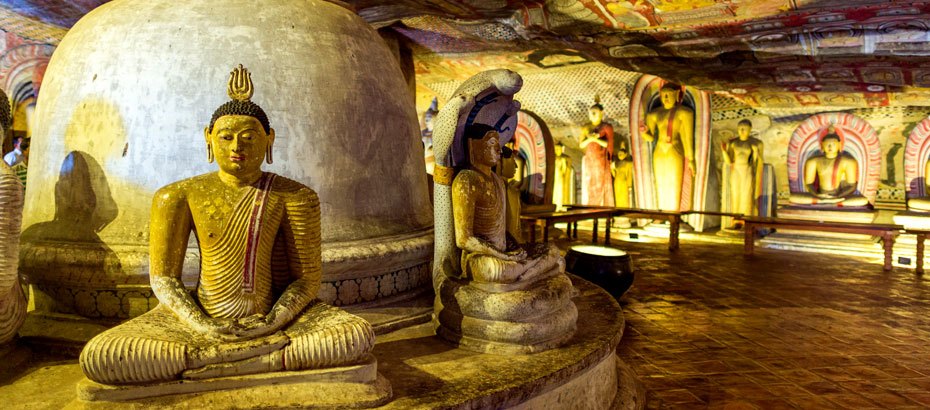
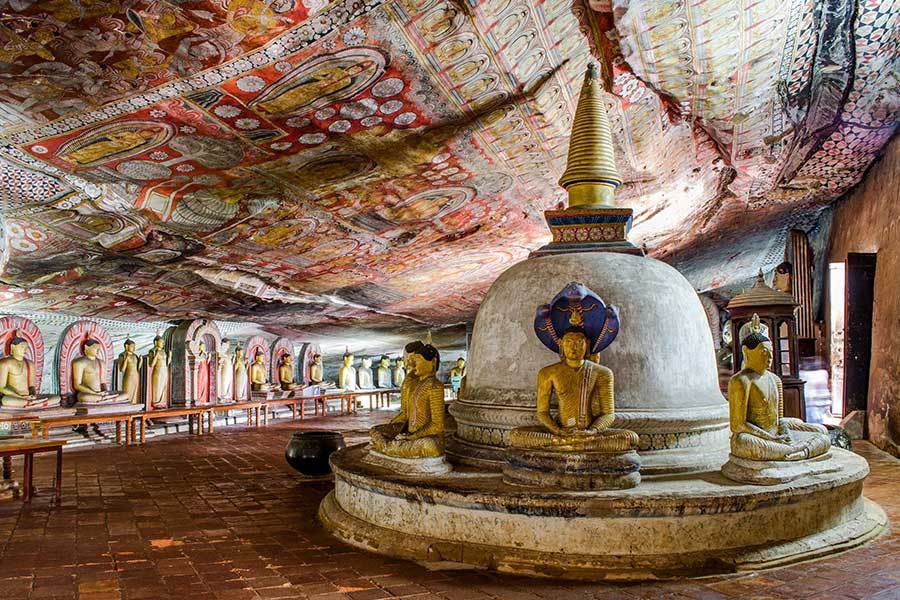
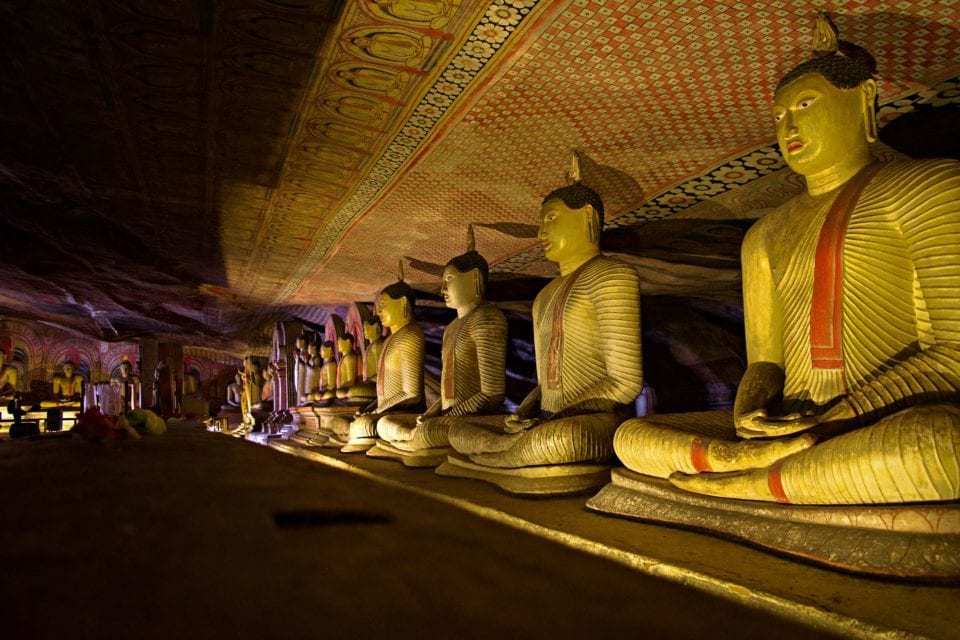
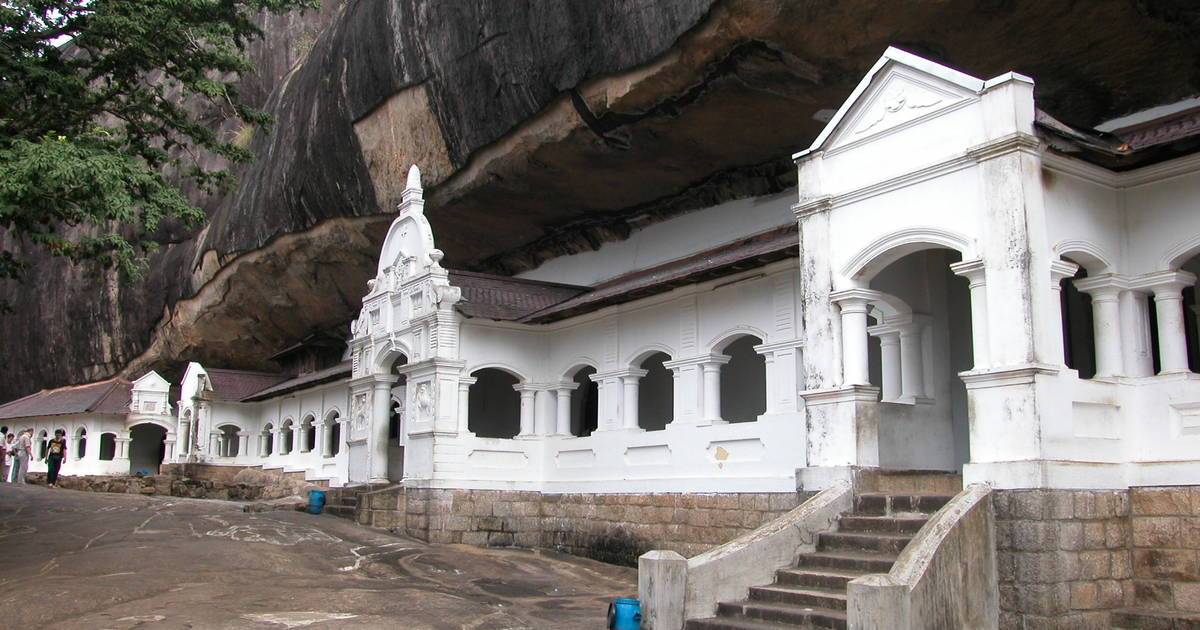
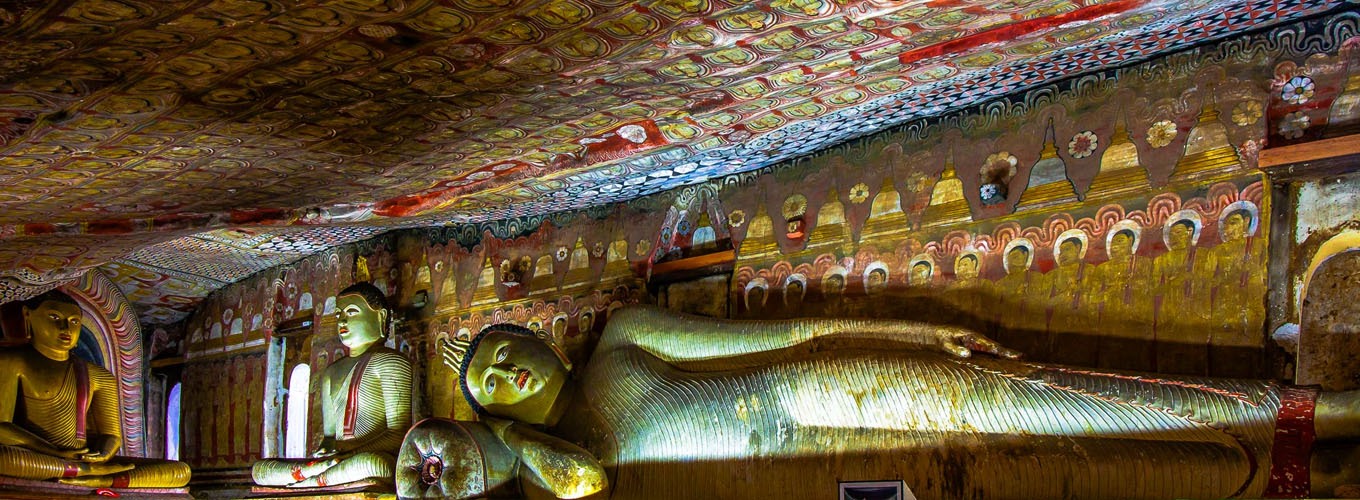
AM :After breakfast leave for Kandy, on route visit Dambulla Golden Temple and visit herbal spice garden at mathale
Proceed to the kandy.
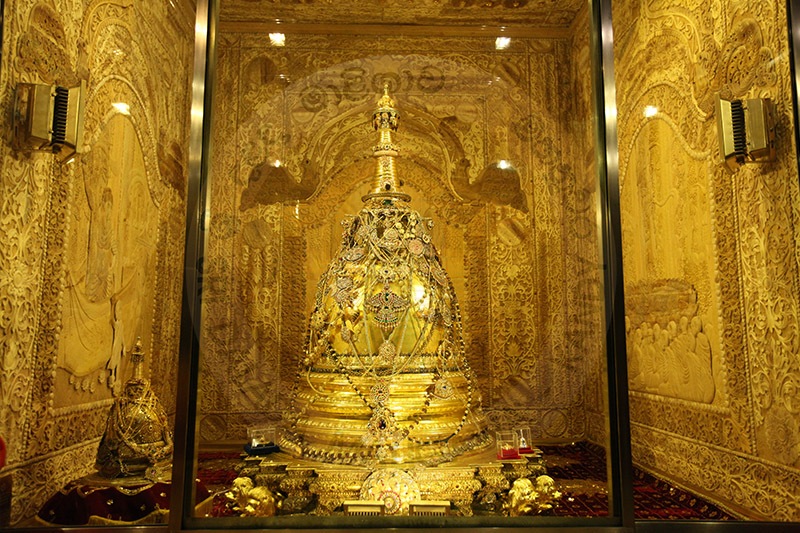
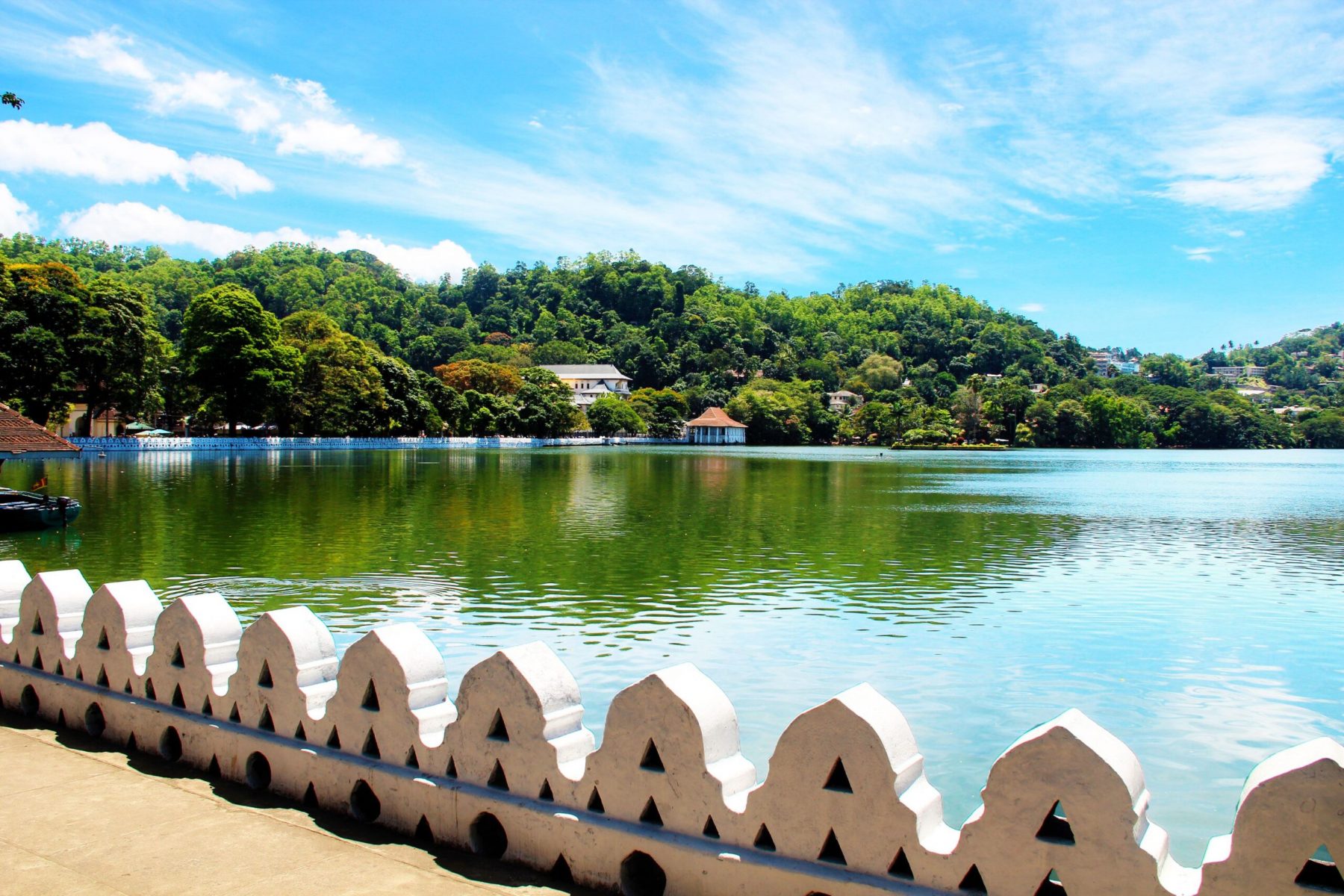
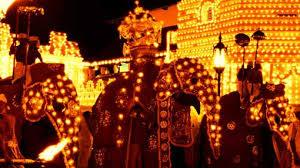
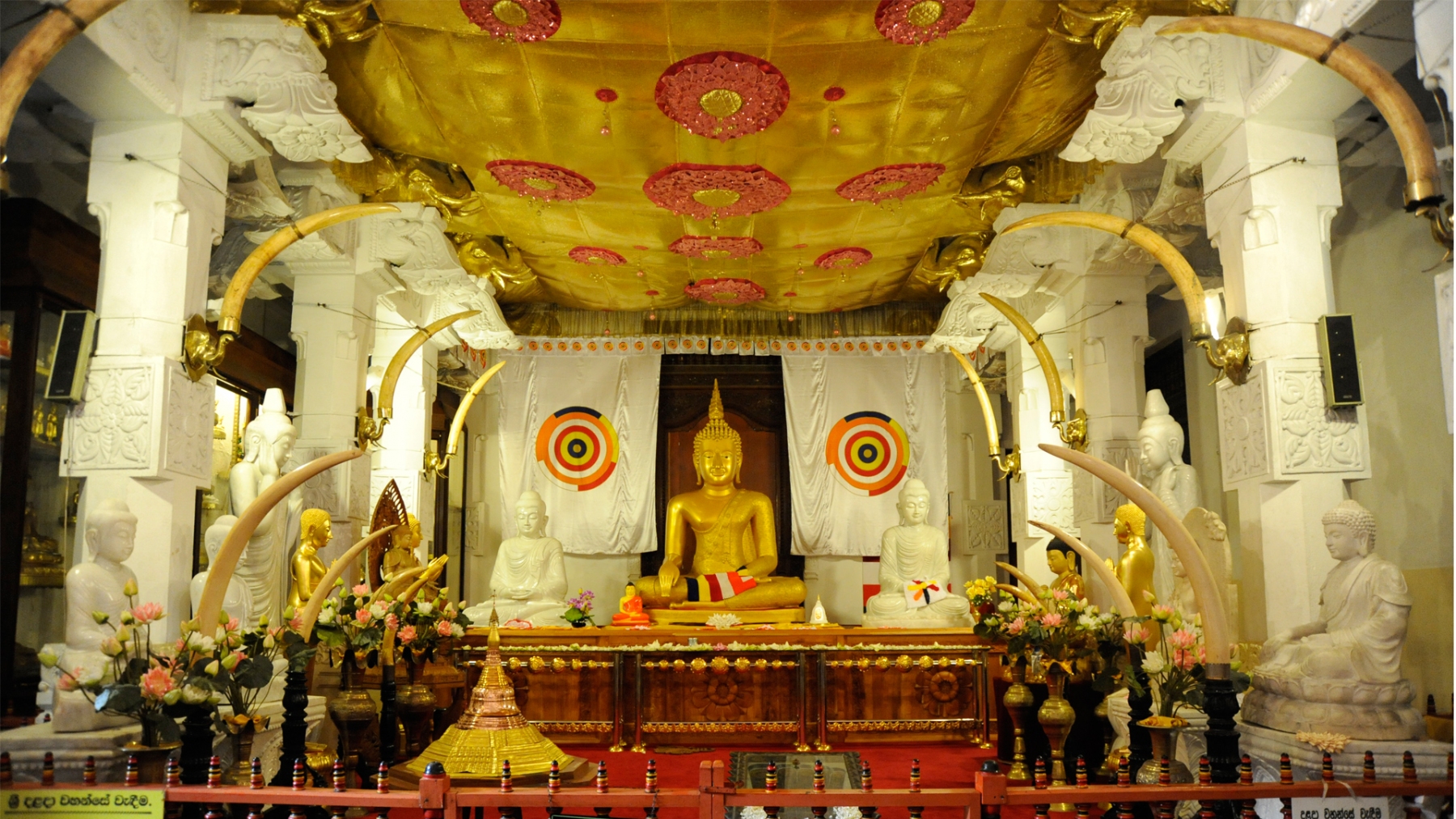
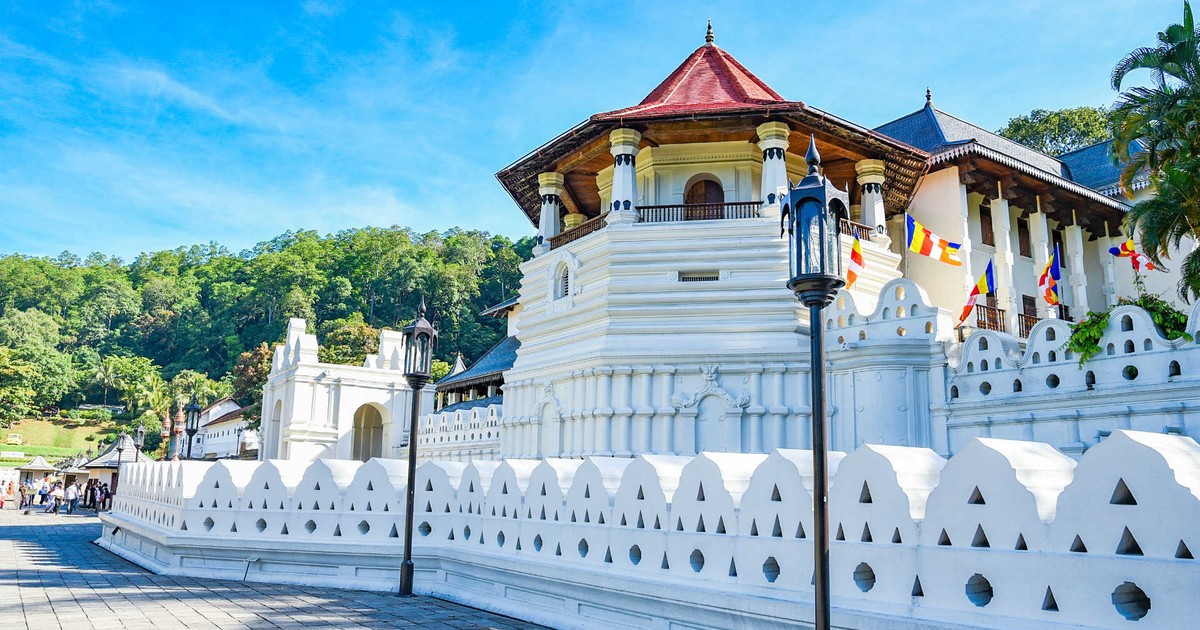
PM :Evening Temple of tooth Relic and enjoy CulturalDance Show Dinner and overnight stay at the hotel
Dambulla Temple
Spice garden at Matale
During Past history Sri Lanka known as Taprobane, was world renowned for its Quality Spices. During ancient times the Greeks, Romans and the Arabic maintained their links with Sri Lanka through the spice trade. In the 16th century Ceylon, as it was then known, was discovered by Portuguese who soon began trading in cinnamon and other spices. The Dutch and British followed bringing with them their own history and influences, forming a strong Western presence which created a history of food expressed with spices which can be tasted in the dishes today. Spices are an essential element of the cuisine of Sri Lanka and the Ayurvedic tradition and a visit to a garden specializes in the cultivation of these substances and an excellent way for purposes of new uses of certain ingredients that perhaps though they knew well. Find cinnamon, cloves, nutmeg, vanilla, cardamom and black pepper, to name a few. Europeans can buy the products in their natural state or in the form of oils and potions that are used by Ayurvedic medicine, during the Dutch, very famous spices of Sri Lanka and we export to different countries. That has earned the country the name of “Island of the spices”.
Temple of the Tooth
Kandyan dance
Kandyan dance encompasses various dance forms native to the area called Kandy of the central hills region in Sri Lanka. But today it has been widespread to other parts of the country.
Day 06– KANDY
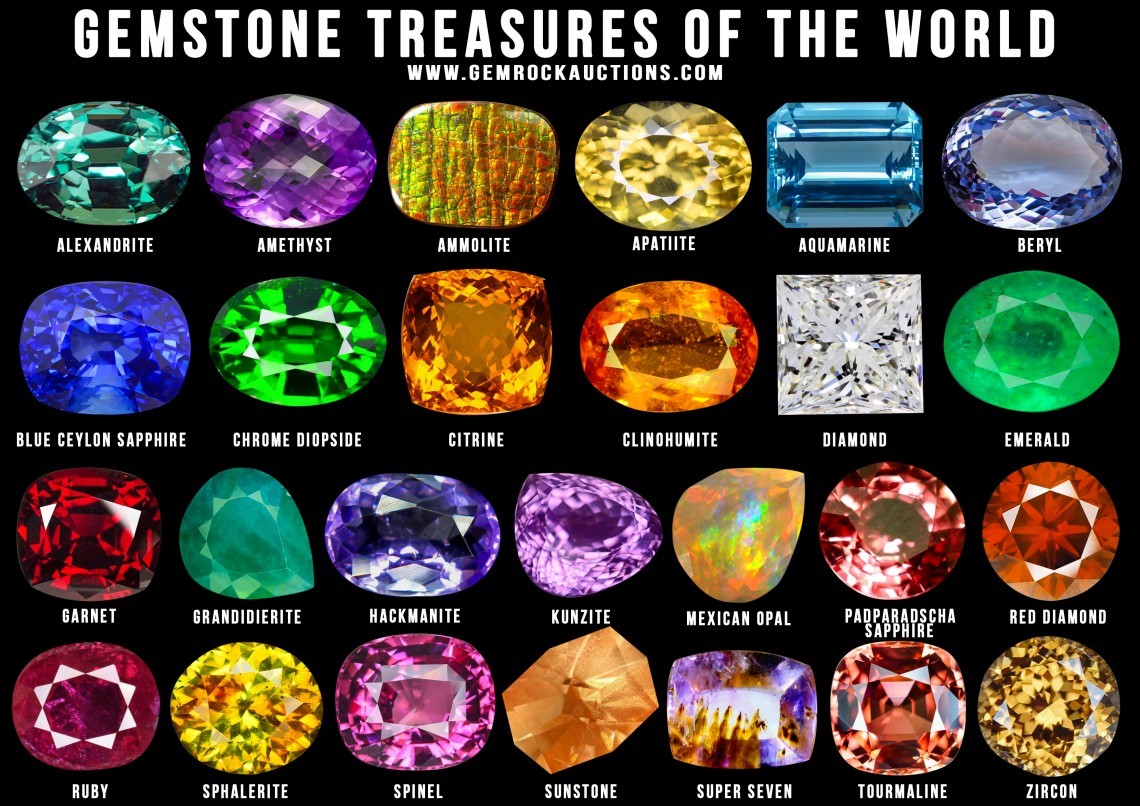
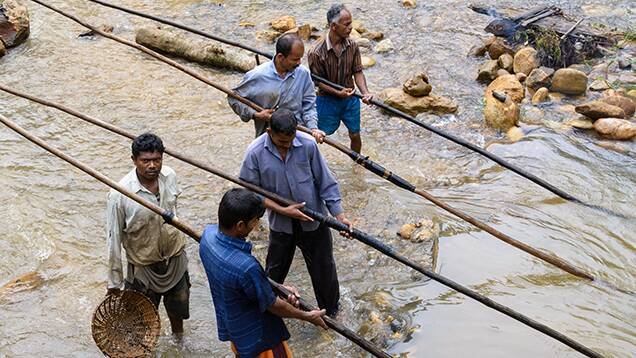
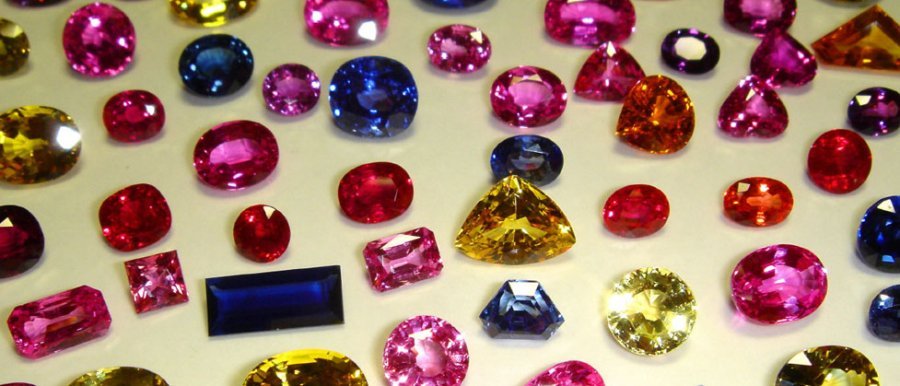
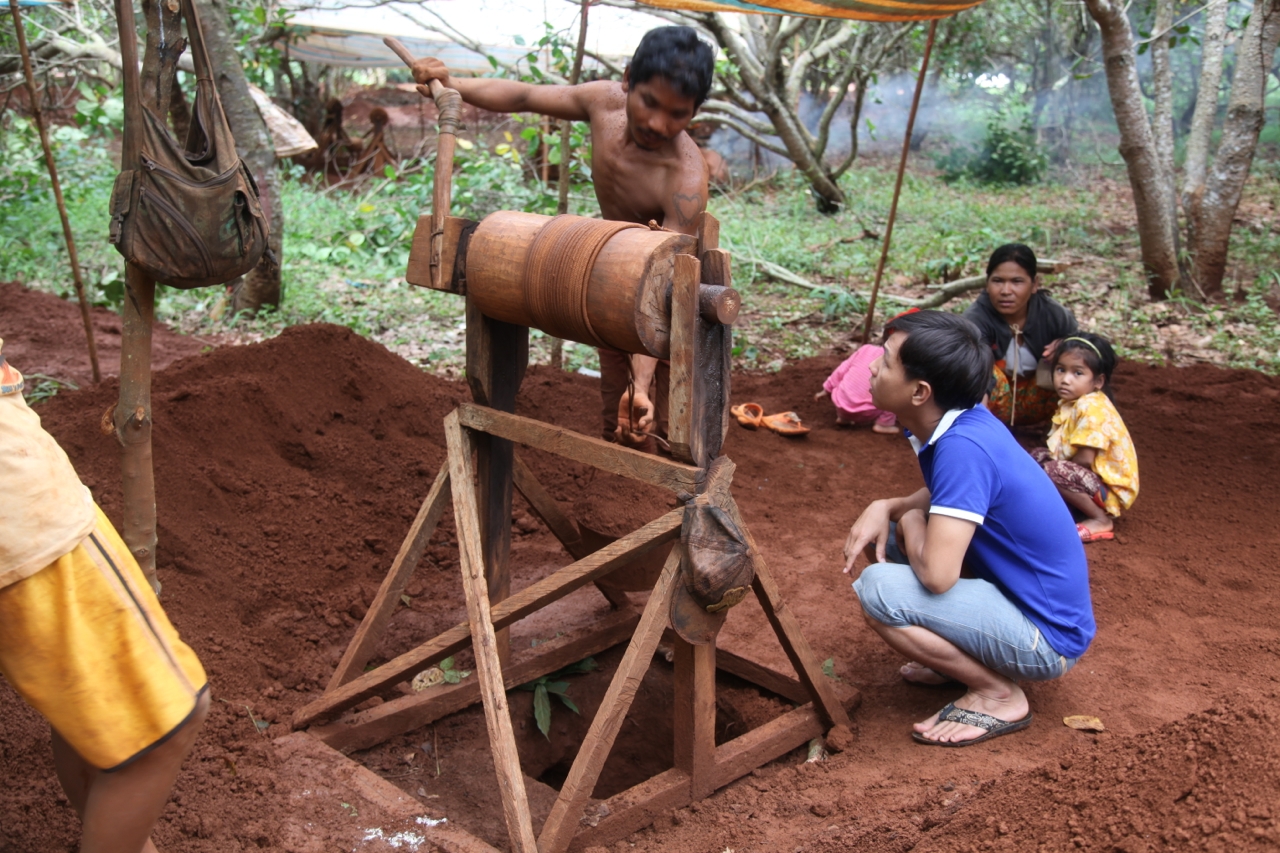
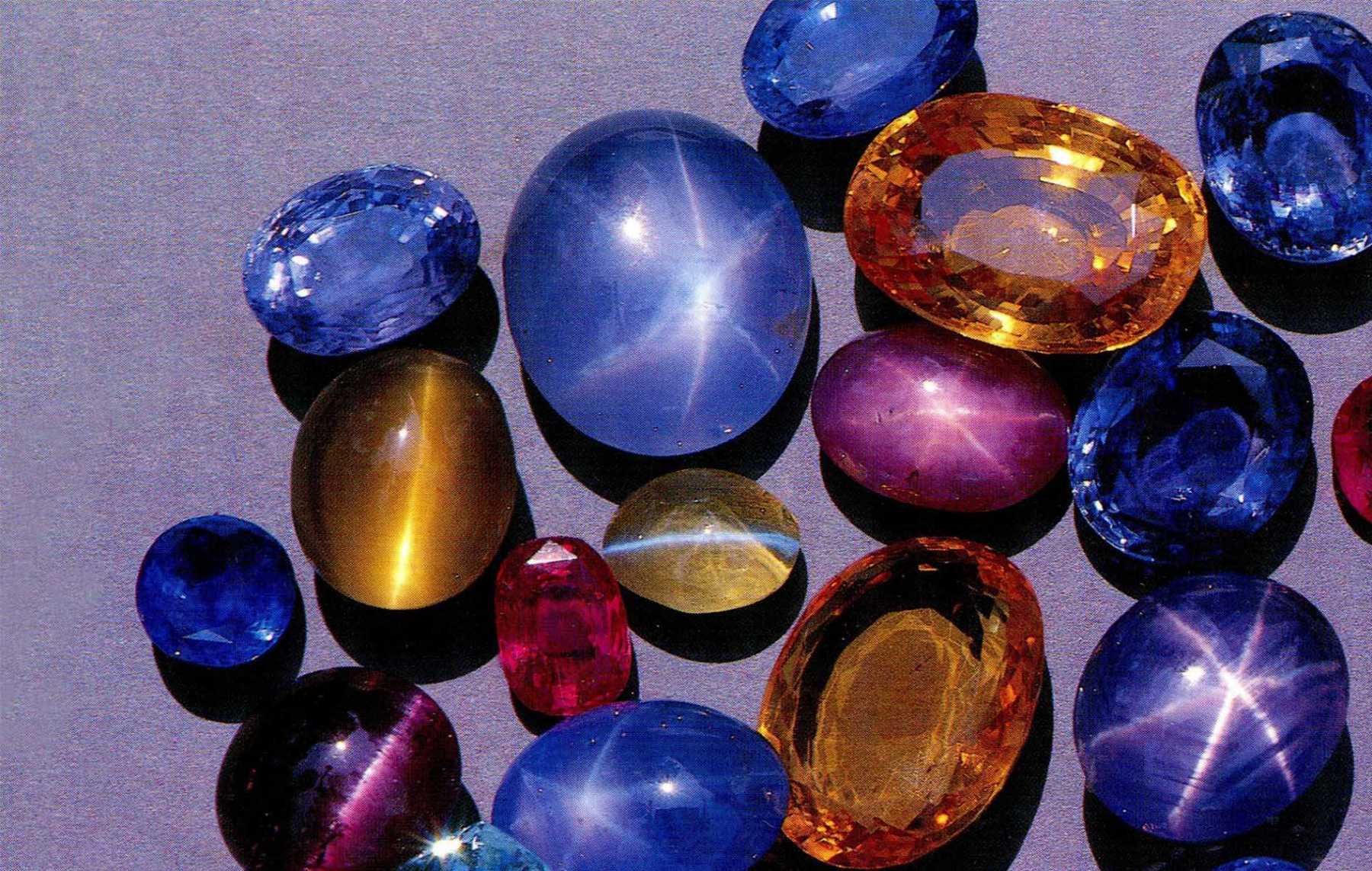
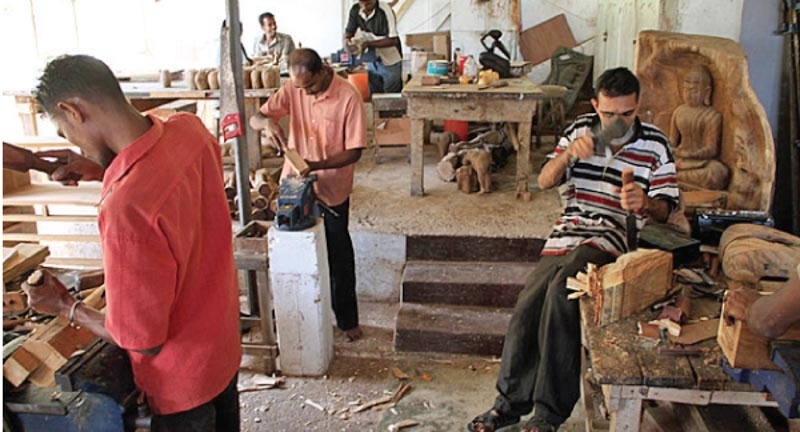
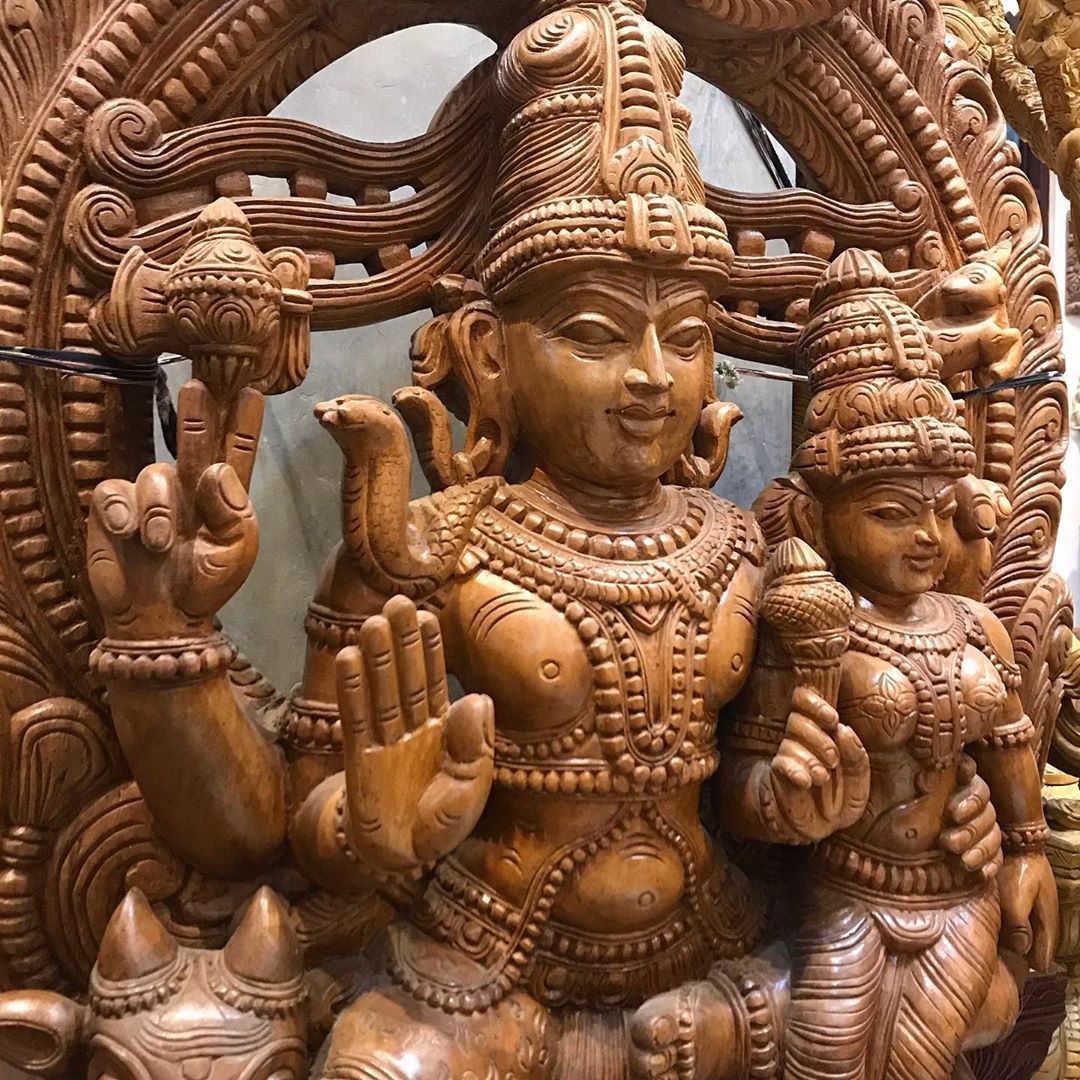
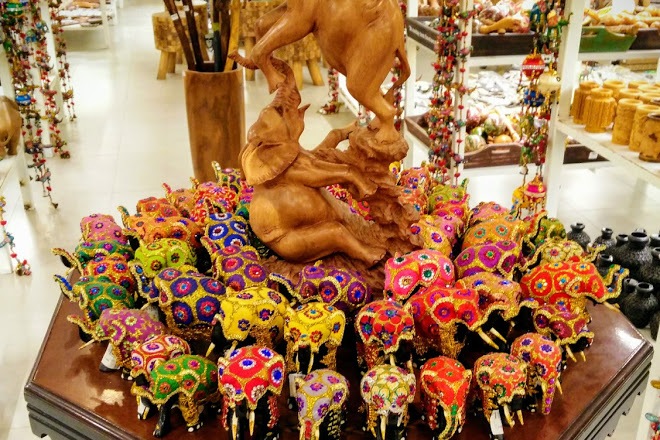
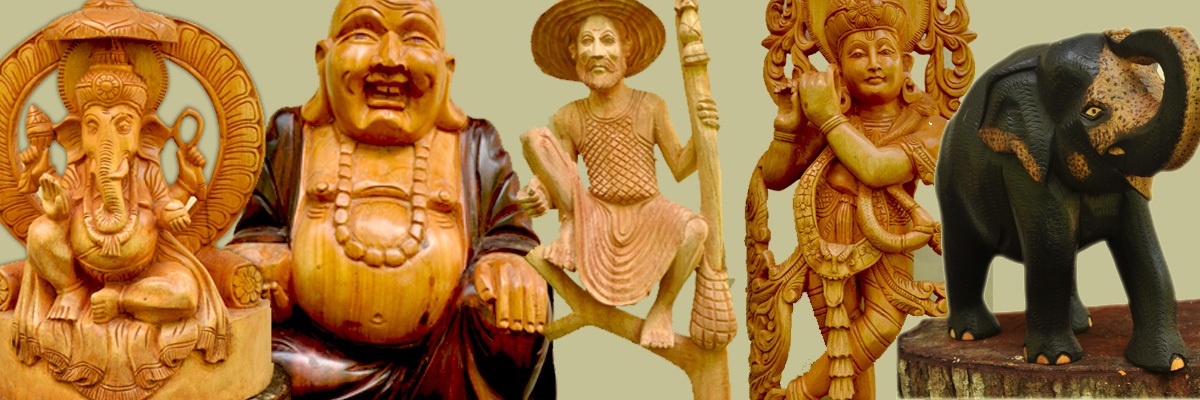
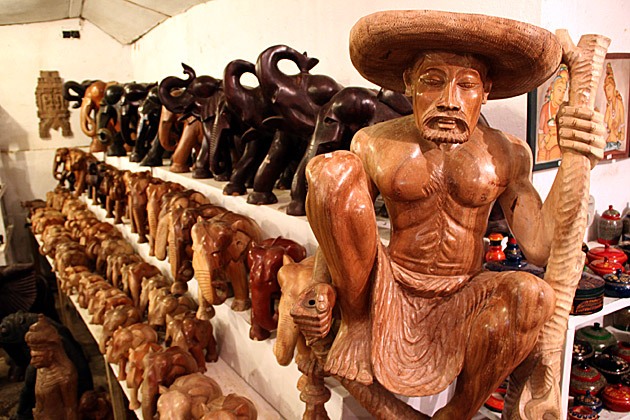
AM : After Breakfast Visit Botanical Garden at Peradeniya visit gem museum and View a show on gems and gem mining & wood carving.
PM : Proceed to the Hotel Dinner and overnight stay at the hotel.
Peradeniya Botanical Gardens.
Royal Botanical Garden, Peradeniya is situated about 5.5 km to the west from the city of Kandy in the Central Province of Sri Lanka and attracts 2 million visitors annually.It is renowned for its collection of a variety of orchids. It includes more than 4000 species of plants, including of orchids, spices, medicinal plants and palm trees.Attached to it is the National Herbarium of Sri Lanka. The total area of the botanical garden is 147 acres (0.59 km2), at 460 meters above sea level, and with a 200-day annual rainfall. It is managed by the Division of National Botanic Gardens of the Department of Agriculture.
Gem Museum
Wood Carving
Day 07– KANDY TO NUWARA ELIYA
AM : After breakfast leave for nuwaraeliya,In route visit to a Tea plantation and a tea factory Labookelle Blue field or Glen Loch, Ceylon tea acclaimed as the best in the world.The influence of climatic conditions imparts variety flavors and aromas,synonymous with quality. The cultivation and manufacture of tea is presently a highly skilled, scientific and technical process, with Sri lanka producing some of the most fragrant teas in the world.
PM : Proceed to hotel for Dinner and Overnight stay at the Hotel
Nuwara Eliya
The city was founded by Samuel Baker, the explorer of Lake Albert and the upper Nile in 1846. Nuwara Eliya’s climate lent itself to becoming the prime sanctuary of the British civil servants and planters in Ceylon. Nuwara Eliya, called Little England, was a hill country retreat where the British colonialists could immerse themselves in their pastimes such as fox hunting, deer hunting, elephant hunting, polo, golf and cricket.
Many of the buildings retain features from the colonial period such as the Queen’s Cottage, General’s House, Grand Hotel, Hill Club, St Andrew’s Hotel and Town Post Office. New hotels are often built and furnished in the colonial style. Visitors to the city can wallow in its nostalgia of bygone days by visiting the landmark buildings. Many private homes maintain their old English-style lawns and gardens.
Day 08– NUWARAELIYA
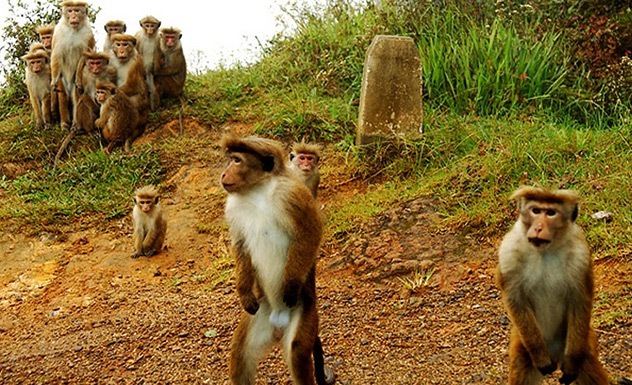
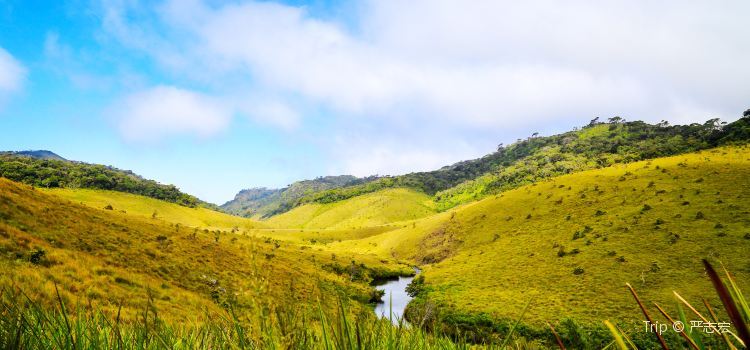
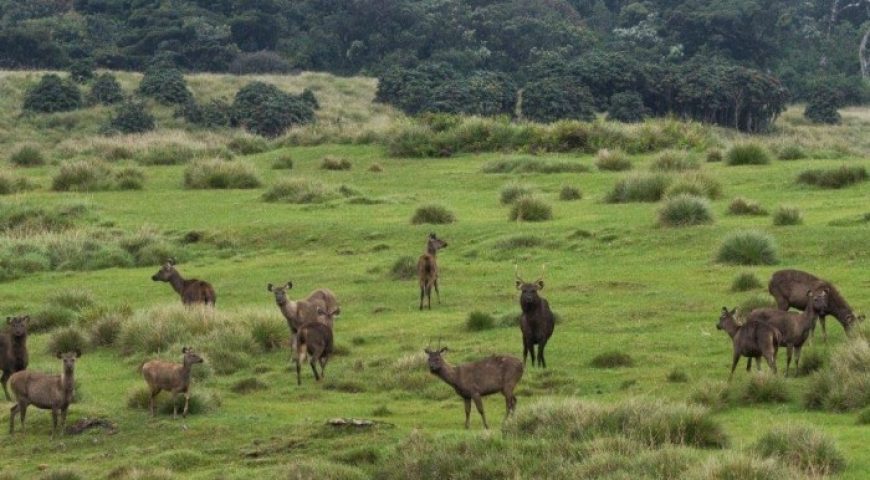
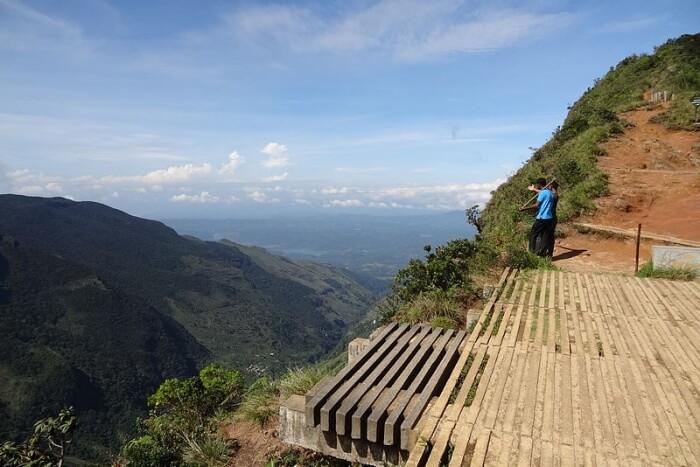
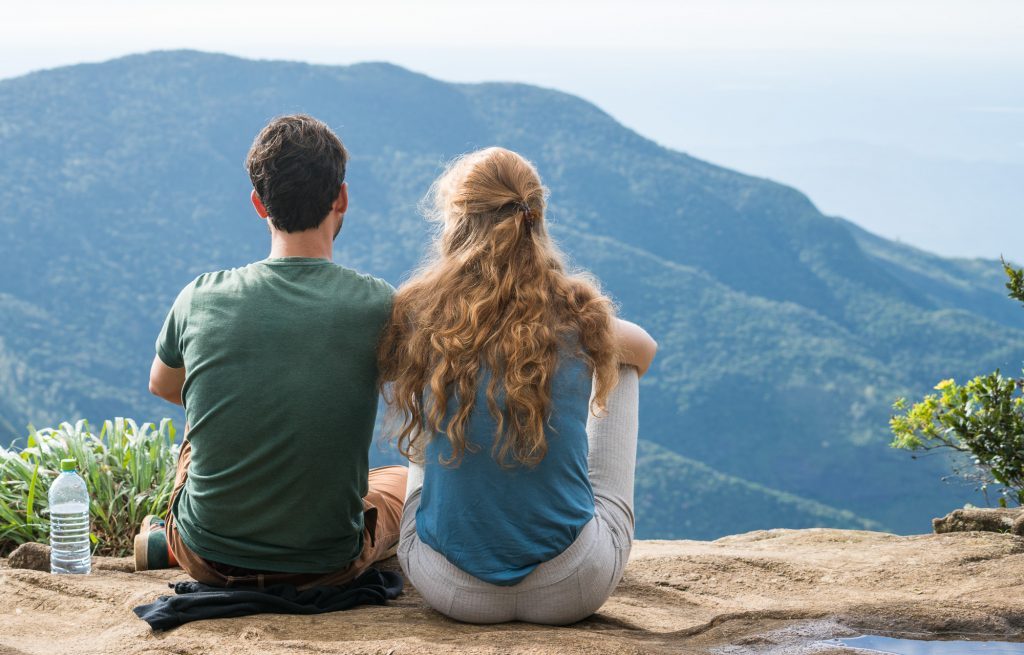
AM : Early morning (5.00am) visit to Horton Plains National Park with a nature walk and with picnic breakfast.
PM : Proceed to the Hotel Dinner and overnight stay at the hotel.
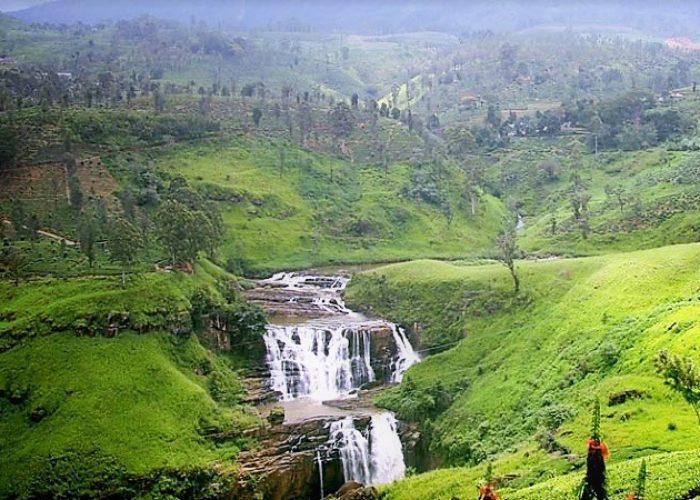
Horton Plains National Park
Day 09– NUWARAELIYA / ELLA BY TRAIN
AM : After breakfast leave to the station Nanu Oya Get the train to Ella.(2hour & 45 minit)
PM : climb to the Little Adam peack and visit nine arch bridge Proceed to hotel.
Dinner, Evening chill at Ella Town.
Day 10– ELLA TO YALA
AM : After Breakfast leave to Yala and Root Visit Rawana water Fall
PM : Visit Yala National Park Dinner & overnight stay at the hotel.
Yala (යාල) National Park
Yala (යාල) National Park is the most visited and second largest national park in Sri Lanka, bordering the Indian Ocean. The park consists of five blocks, with three of which are now open to the public. There are also two adjoining parks, Kumana National Park or ‘Yala East’ and Lunugamvehera National Park. The blocks have individual names, such as Ruhuna National Park (Block 1). It is situated in the southeastern region of the country, in the Southern Province and Uva Province. The park covers 979 square kilometres (378 sq mi) and is located about 300 kilometres (190 mi) from Colombo. Yala was designated as a wildlife sanctuary in 1900, along with Wilpattu, designated in 1938 as one of the first two designated national parks in Sri Lanka. The park is best known for its variety of wildlife. It is important conservation of Sri Lankan elephants, Sri Lankan leopards and aquatic birds.
Day 11– YALA TO MIRISSA BEACH
AM :After breakfast leave for Mirissa.
PM : Evening relax at the hotel Beach.
Day 12– MIRISSA BEACH
AM : Early morning transfer to Whale watching center Mirrissa Boat ride on the sea to capture the blue whales and dolphins
PM – Evening relax at the hotel.
Day 13– MIRISSA TO BENTHOTA
AM : After Breakfast leave to Bentota and Root Visit Galle Dutch port and Madu River Boat safari.
PM -Evening relax at the hotel.
Galle Dutch port
Galle is a major city in Sri Lanka, situated on the southwestern tip, 119 kilometres (74 mi) from Colombo. Galle is the provincial capital and largest city of Southern Province, Sri Lanka and is the capital of Galle District.
Galle was known as Gimhathiththa before the arrival of the Portuguese in the 16th century, when it was the main port on the island. Ibn Batuta, a Moroccan Berber Muslim traveller in the 14th century, referred to it as Qali. Galle reached the height of its development in the 18th century, during the Dutch colonial period. Galle is the best example of a fortified city built by the Portuguese in South and Southeast Asia, showing the interaction between Portuguese architectural styles and native traditions. The city was extensively fortified by the Dutch during the 17th century from 1649 onwards. The Galle fort is a world heritage site and is the largest remaining fortress in Asia built by European occupiers.
Day 14– BENTHOTA TO AIRPORT
XX : Transfer to the airport for departure. Please note you have to be at the airport 02 ½ hours before flight departure (Airport regulations)
Thank you very much for Travelling by Amazing Lanka Travels.
There are no comments yet.