
- Information
- Reviews
What's included
PACKAGE INCLUDES
- Transport with privet air-conditional luxury vehicle.
- English speaking chauffer Guide.
- Luxury Hotels with A/C Rooms & Swimming pool, Breakfast &Dinner.
- Water bottles during the transport.
TERMS & CONDITIONS
- Price shown is a starting price and is subject to change, depending on travel dates / the number of people travelling etc.
- Price show is based on two people sharing a double / twin room
Want to change this itinerary? That`s cool with us.
Day 01 – AIR PORT / NEGOMBO
AM : Arrival in Colombo, Welcome and assistance on arrival at the airport and transfer to the Hotel.
PM : In the evening visit negombo or Colombo city tour & fish market & fishing village in negombo after that return to the hotel Dinner and overnight stay at the hotel
Day 02 – NEGOMBO / RATHNAPURA
AM : After Breakfast leave to Rathnapura via Pinnawala
Visit Pinnawala Elephant orphanage and watch the feeding of the baby Elephants after that proceed to Rathnapura.
PM : Dinner at the hotel and overnight stay at the hotel.
Pinnawala Elephant Orphanage
Pinnawala Elephant Orphanage is an orphanage, nursery and captive breeding ground for wild Asian elephants located at Pinnawala village, 13 km (8.1 mi) northeast of Kegalle town in Sabaragamuwa Province of Sri Lanka. Pinnawala is notable for having the largest herd of captive elephants in the world. In 2011, there were 88 elephants, including 37 males and 51 females from 3 generations, living in Pinnawala. The orphanage was originally founded in order to afford care and protection to many of the orphaned unweaned wild elephants found wandering in and near the forests of Sri Lanka. It was established in 1975 by the Sri Lanka Department of Wildlife Conservation (DWC).
Day 03 – RATHNAPURA
AM : Early morning (5.00am) visit to the sinharaja rain forest with a nature walk and with picnic breakfast.
PM : Proceed to the Hotel At leisure, Optional if you are not tired can visit beautiful local deities temple (Saman dewalaya) Dinner and overnight stay at the hotel .
Sinharaja Forest Reserve
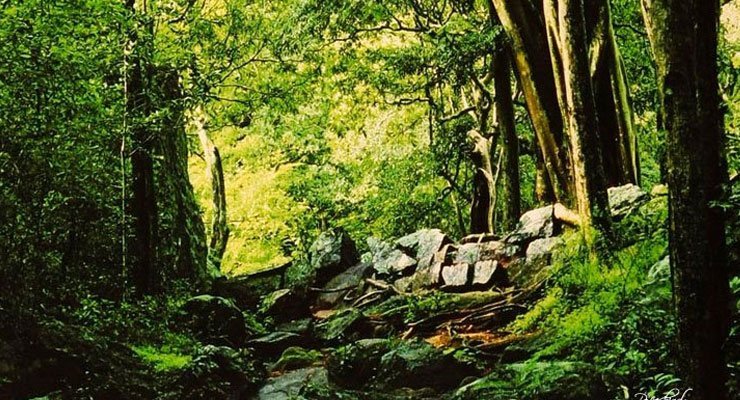
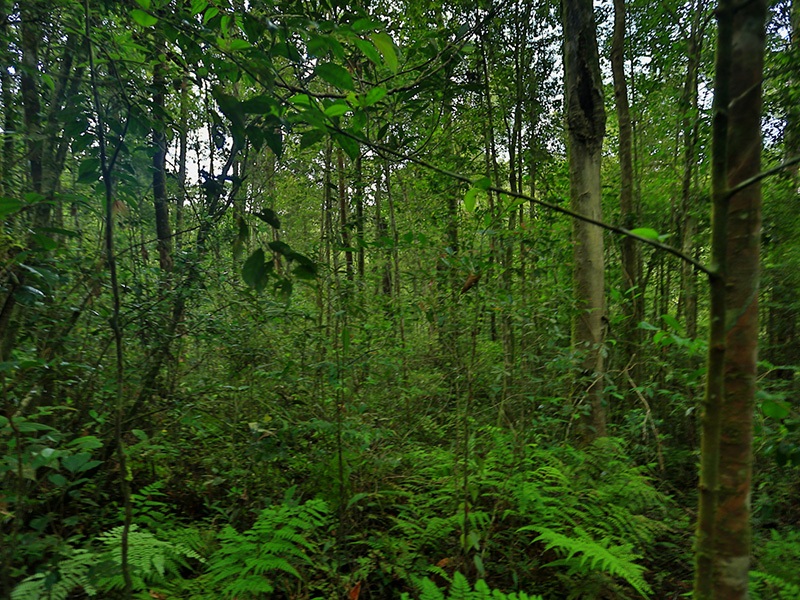
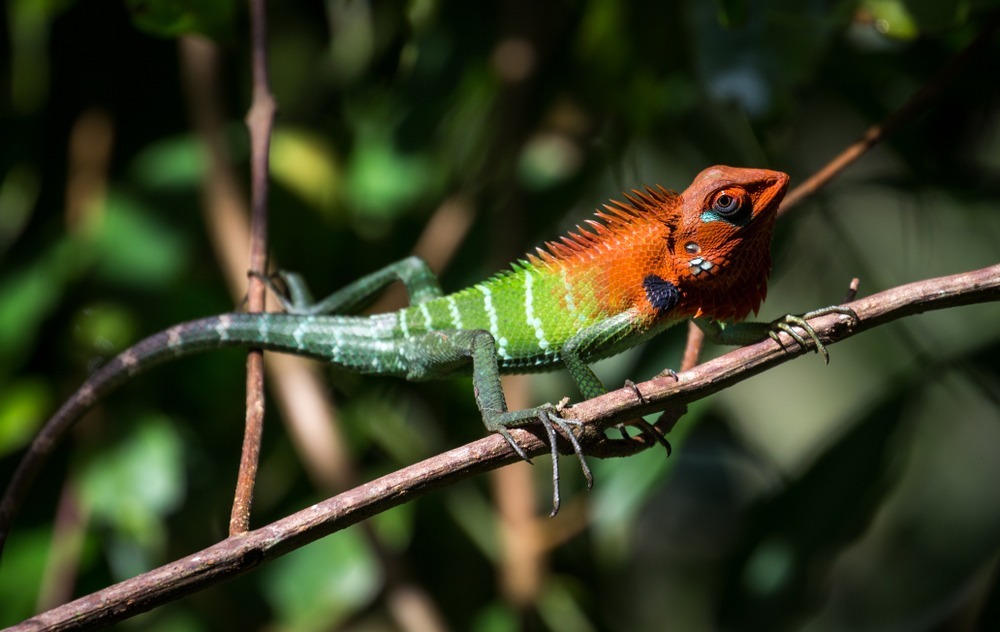
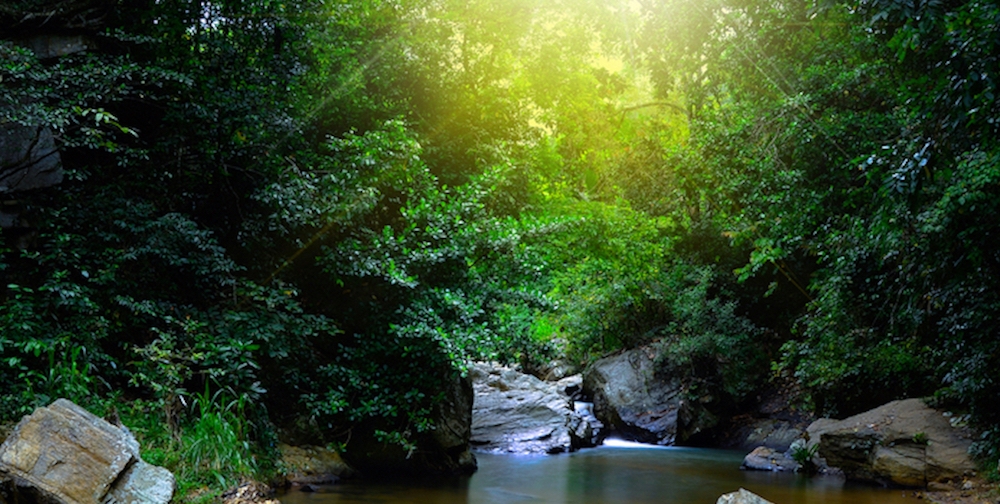
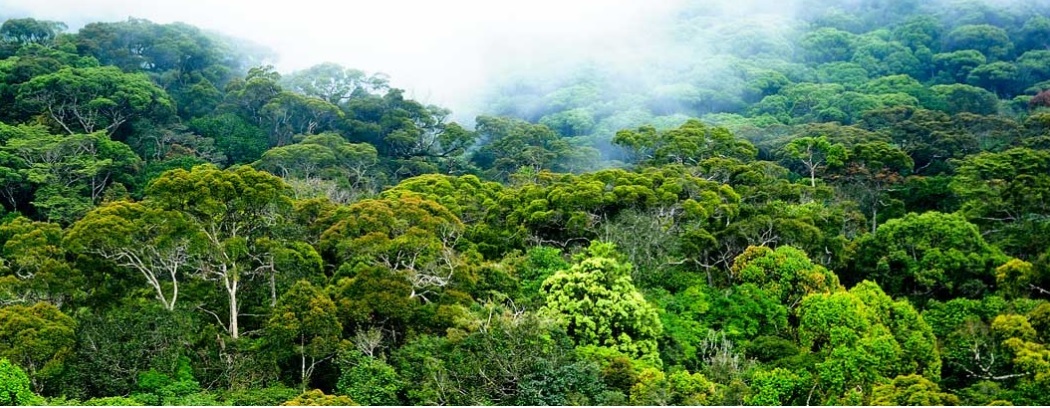
According to International Union for Conservation of Nature (IUCN), Sinharaja is the country’s last viable area of primary tropical rainforest. More than 60% of the trees are endemic and many of them are considered rare. 50% of Sri Lankan’s endemics species of animals (especially butterfly, amphibians, birds, snakes and fish species). It is home to 95% endemic birds.
The hilly virgin rainforest, part of the Sri Lanka lowland rain forests ecoregion, was saved from the worst of commercial logging by its inaccessibility, and was designated a World Biosphere Reserve in 1978 and a World Heritage Site in 1988.
Maha Saman Devalaya
Maha Saman Devalaya or the Great Saman Temple (also called Sumana Saman Devalaya) is a shrine dedicated to deity Saman, situated at Ratnapura, Sri Lanka who is the presiding deity of the Sri Pada Mountain which is also called Samanthakuta meaning the mountain of Saman which is believed to have the left foot impression of Buddha which he kept in his visit to Sri Lanka
Day 04 –RATHNAPURA/UDAWALAWA/YALA
AM : After breakfast leave for tissamaharama(Yala) on the way visit elephant transit home.
PM : Visit Udawalawa Nationl park and Proceed to the Hotel tissamaharama(Yala) Dinner and overnight stay at the hotel.
Udawalawe Elephant Transist Home
The Udawalawe Elephant Transist Home also known as Udawalawa Ath Athuru Sewana is a facility within Udawalawe National Park in Sri Lanka that was established in 1995 by the Sri Lanka Department of Wildlife Conservation. Its primary objective is to rehabilitate orphaned elephant calves for ultimate release back into the wild.
Udawalawe National Park
Udawalawe National Park is a national park on the boundary of Sabaragamuwa and Uva Provinces in Sri Lanka. The park was created to provide a sanctuary for wild animals displaced by the construction of the Udawalawe Reservoir on the Walawe River, as well as to protect the catchment of the reservoir. The reserve covers 30,821 hectares (119.00 sq mi) of land area and was established on 30 June 1972.
Day 05 –TISSAMAHARAMA/YALA/ELLA
AM : Early morning (5.00am) visit to yala national park with picnic breakfast.
PM : leave to Ella and Root Visit Rawana water Fall and Relax Dinner, Evening chill at Ella Town.
Yala (යාල) National Park
Yala (යාල) National Park is the most visited and second largest national park in Sri Lanka, bordering the Indian Ocean. The park consists of five blocks, with three of which are now open to the public. There are also two adjoining parks, Kumana National Park or ‘Yala East’ and Lunugamvehera National Park. The blocks have individual names, such as Ruhuna National Park (Block 1). It is situated in the southeastern region of the country, in the Southern Province and Uva Province. The park covers 979 square kilometres (378 sq mi) and is located about 300 kilometres (190 mi) from Colombo. Yala was designated as a wildlife sanctuary in 1900, along with Wilpattu, designated in 1938 as one of the first two designated national parks in Sri Lanka. The park is best known for its variety of wildlife. It is important conservation of Sri Lankan elephants, Sri Lankan leopards and aquatic birds.
Day 06– ELLA /NUWARAELIYA BY TRAIN
AM : After breakfast leave to the station Ella Get the train to the station Nanu Oya Get the train to Ella.(2hour & 45 minit)
PM : Proceed to the Hotel Dinner and overnight stay at the hotel.
Day 07– NUWARAELIYA
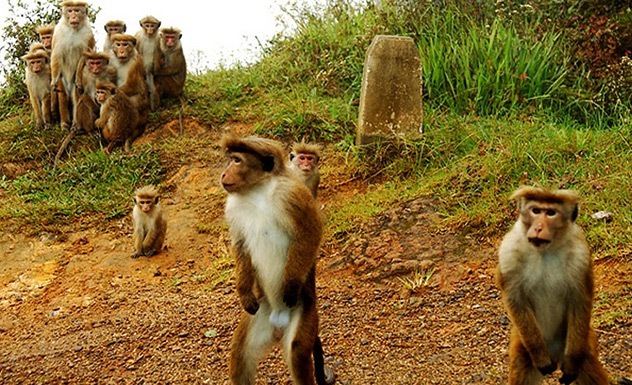
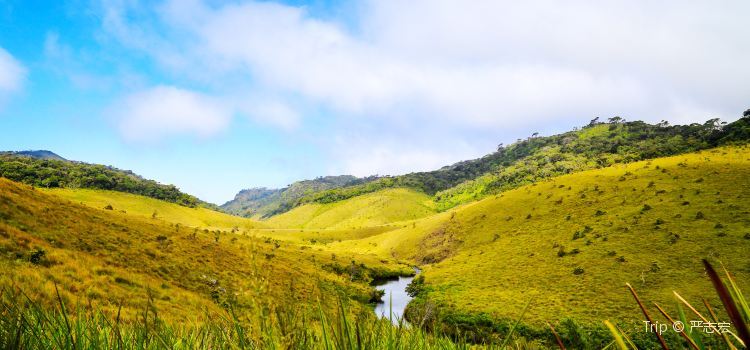
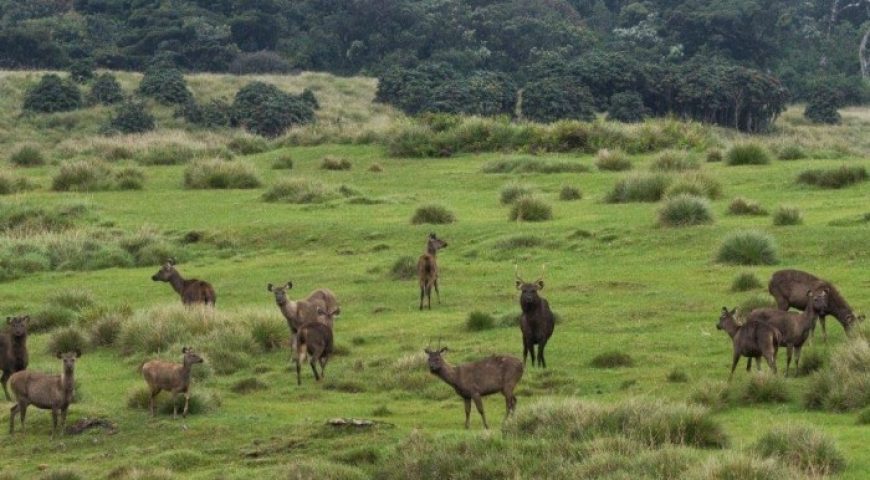
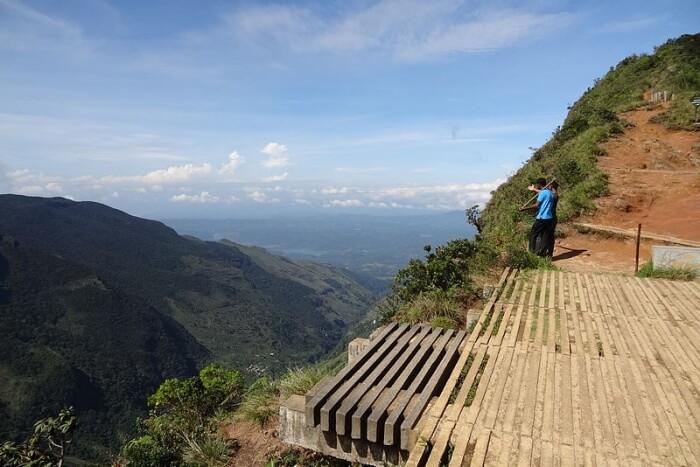
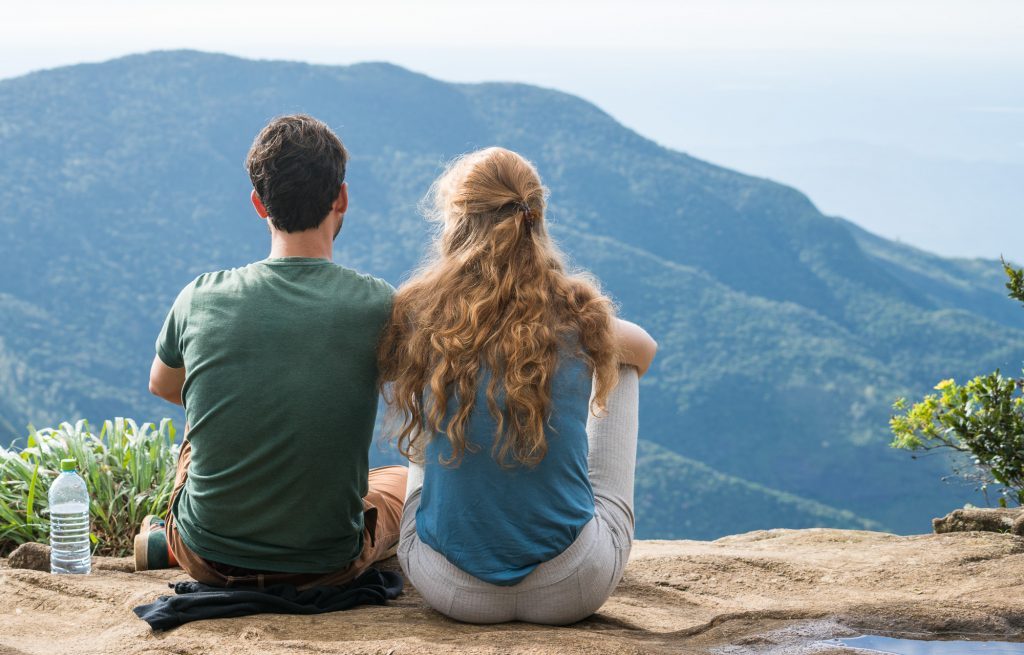
AM : Early morning (5.00am) visit to Horton Plains National Park with a nature walk and with picnic breakfast.
PM : Proceed to the Hotel Dinner and overnight stay at the hotel.
Horton Plains National Park
Day 08– NUWARAELIYA/KANDY
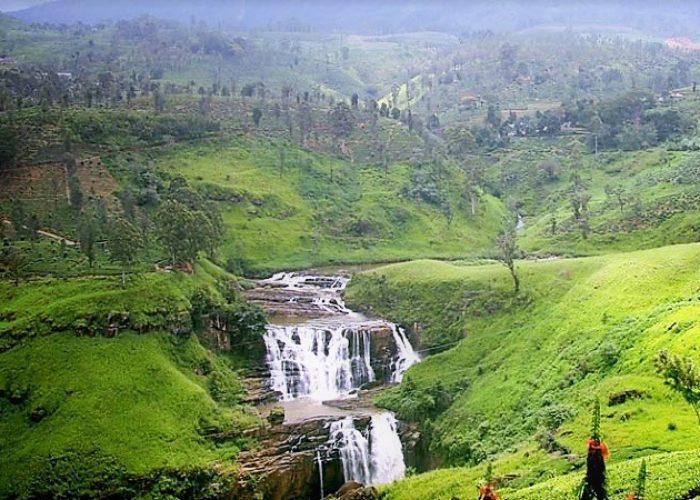
AM :After breakfast leave for Kandy, on route visit Tea Factory and Tea Plantation.
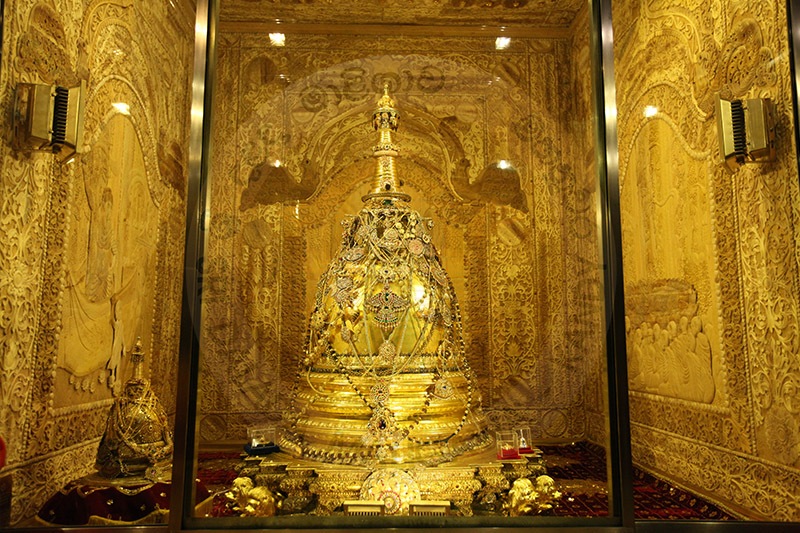
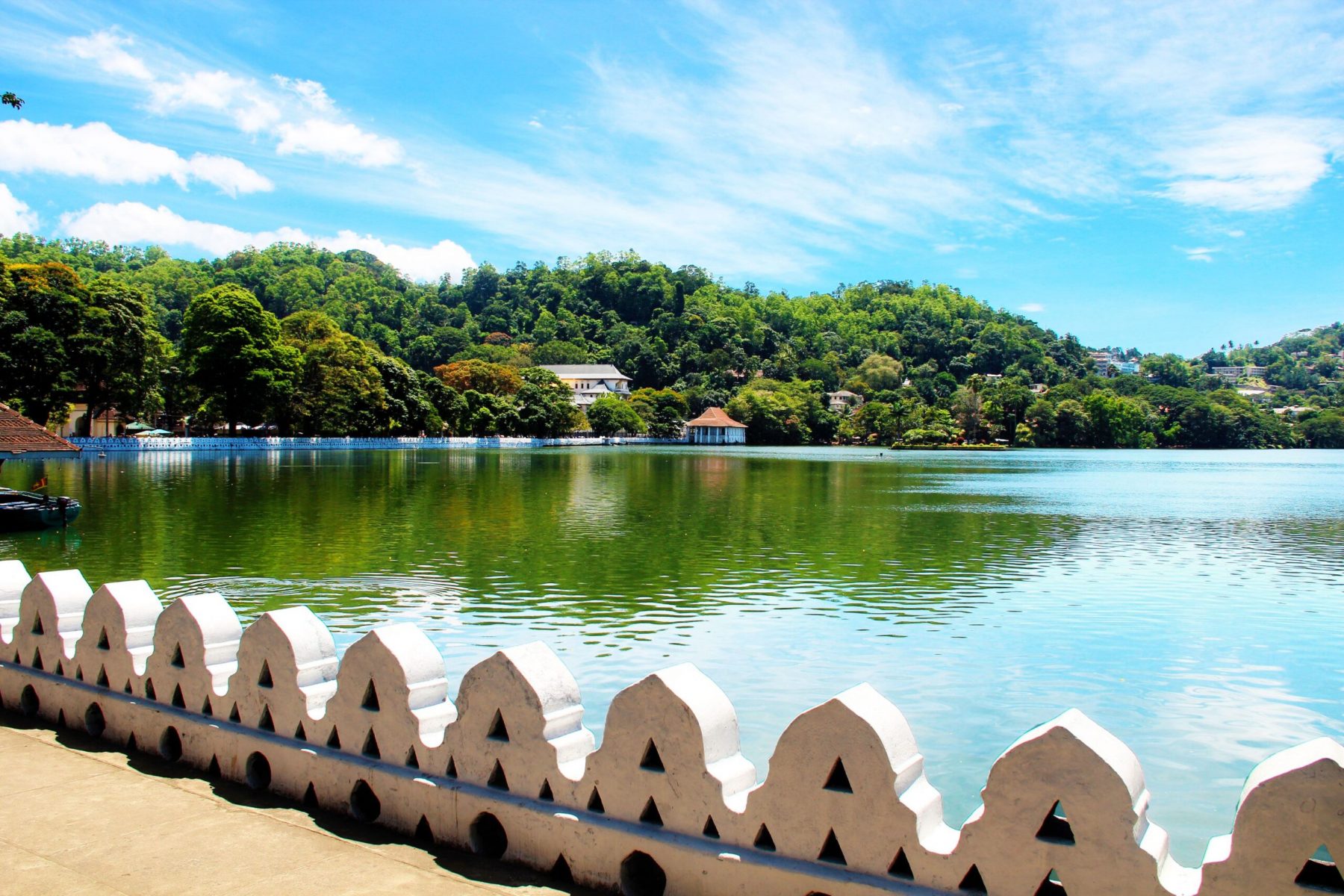
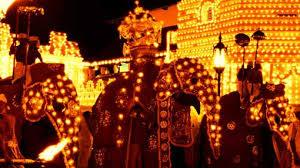
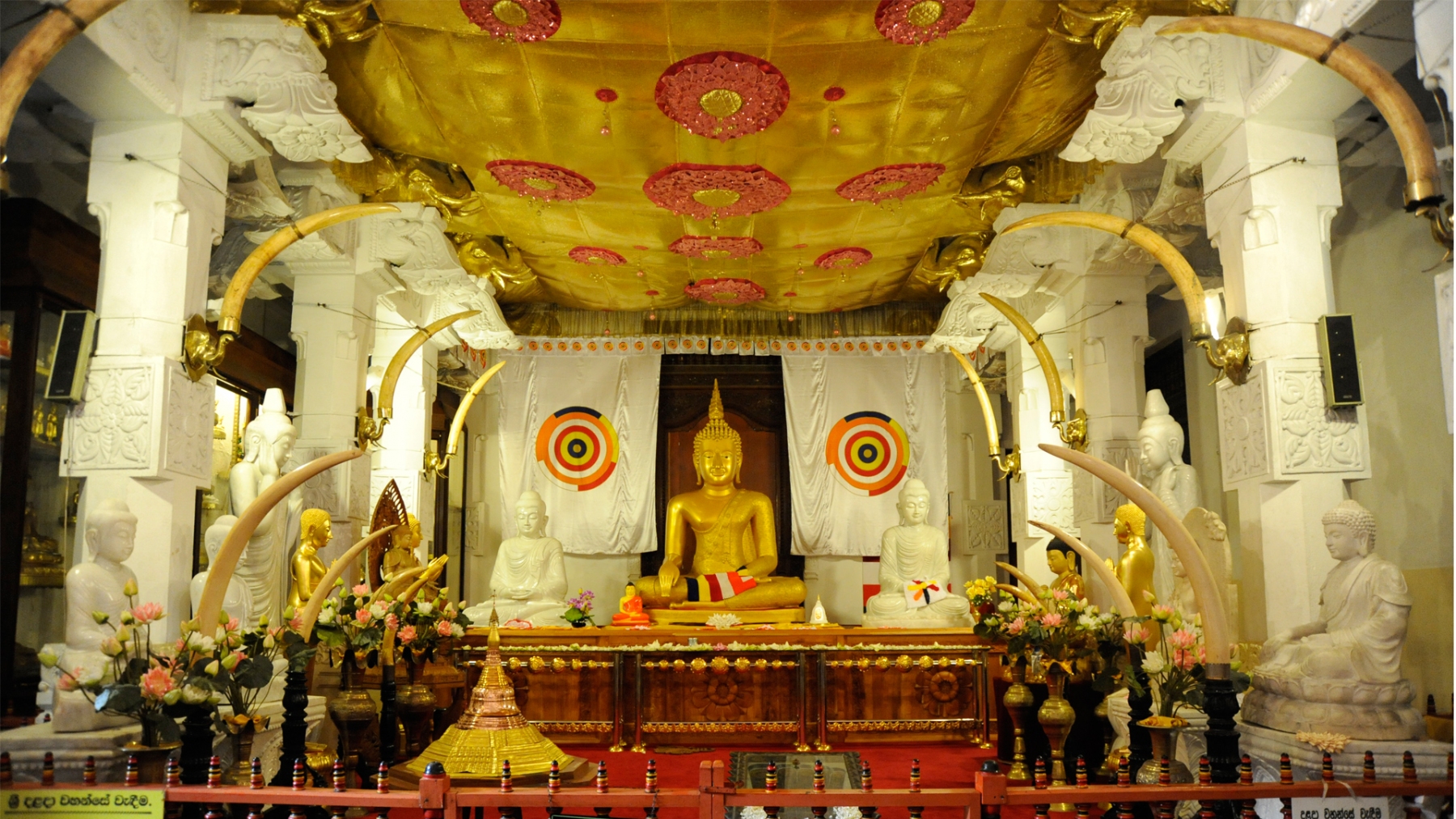
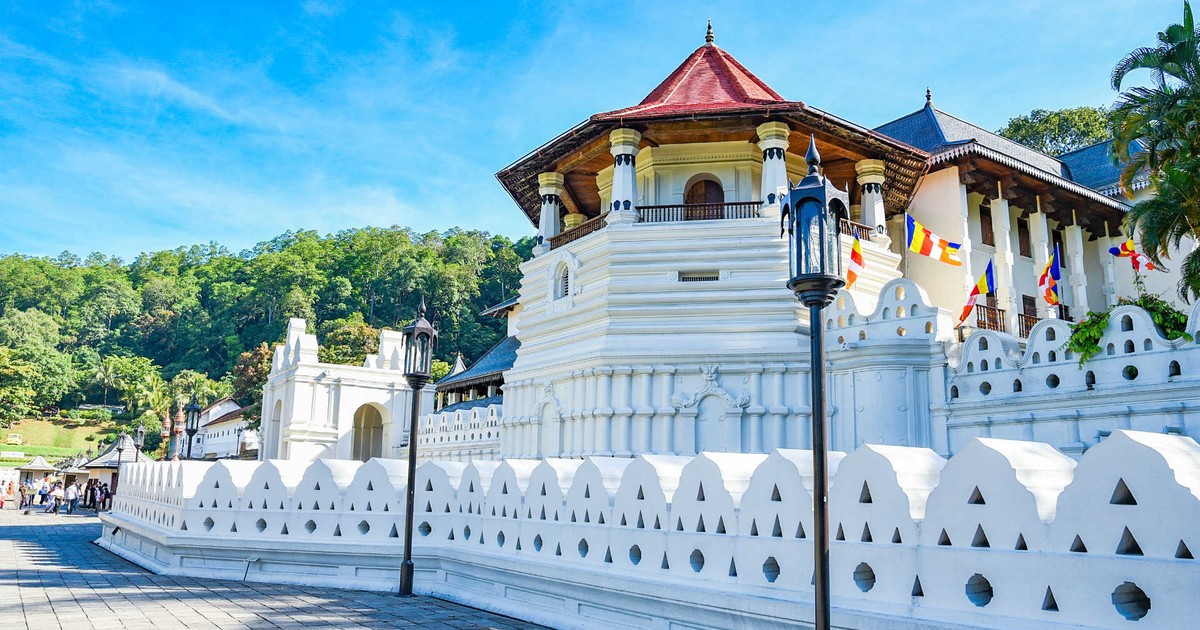
PM :Evening Temple of tooth Relic and enjoy CulturalDance Show Dinner and overnight stay at the hotel.
Temple of the Tooth
Day 09– KANDY
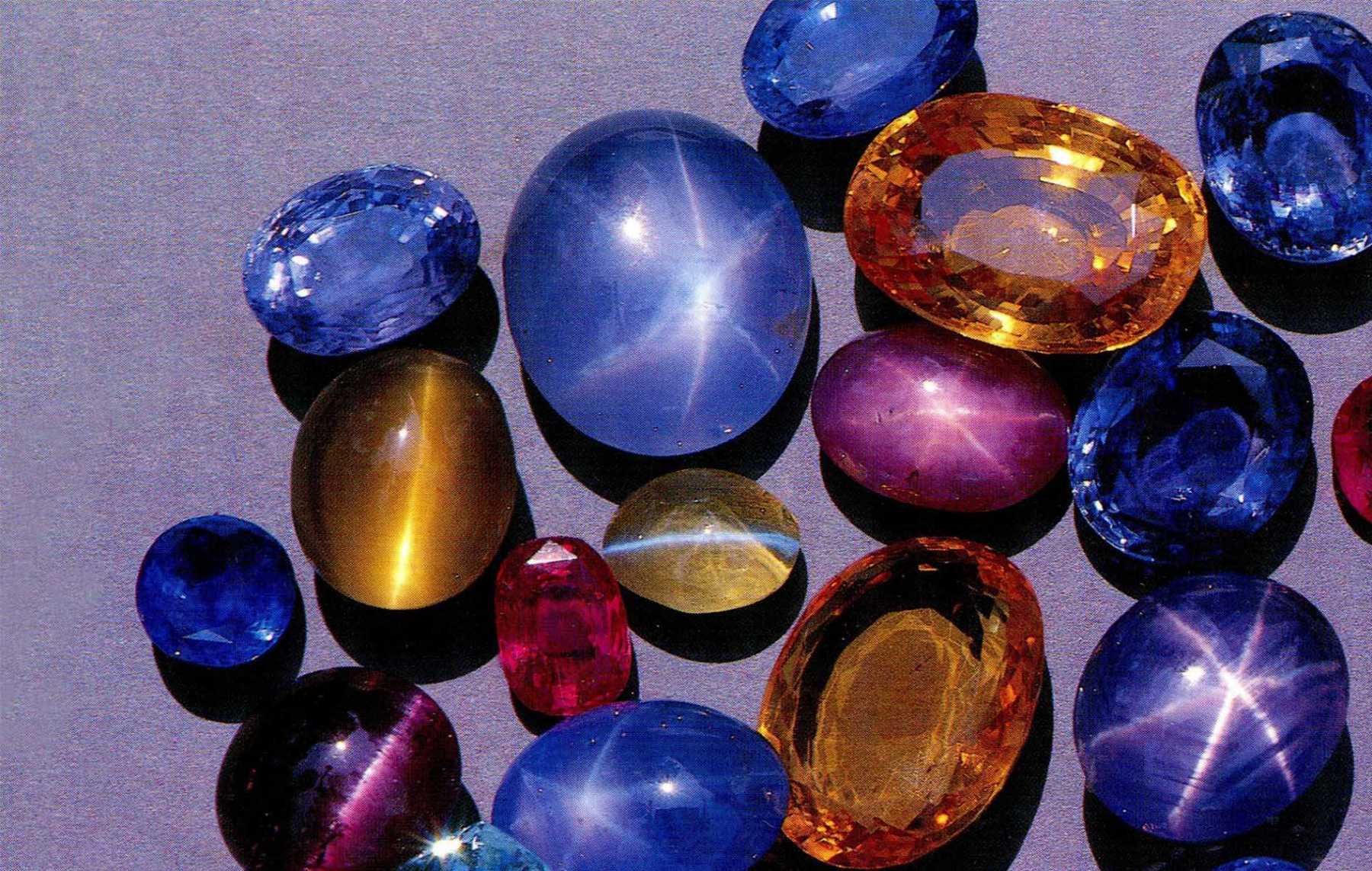
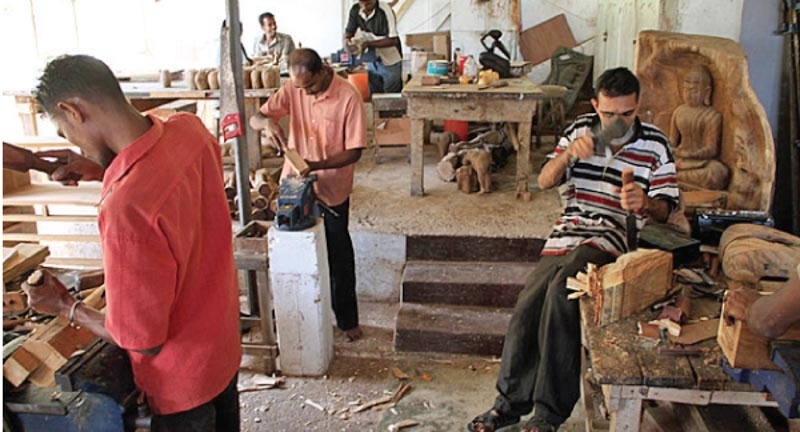
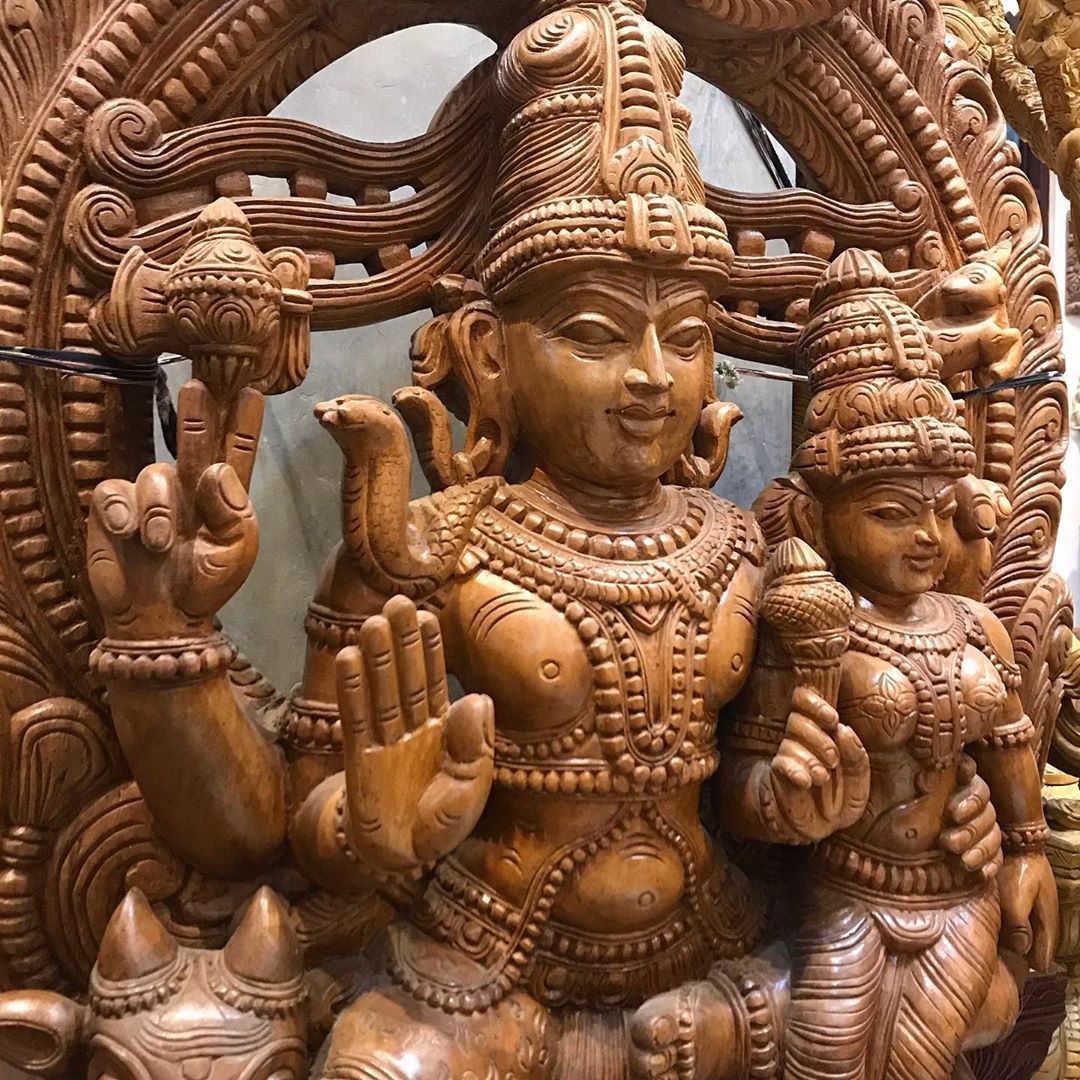
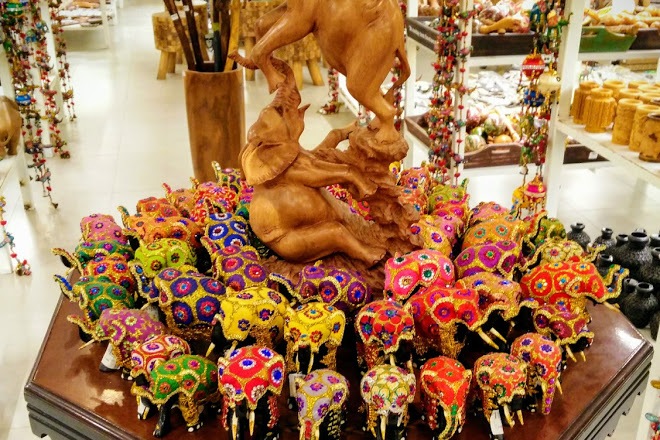
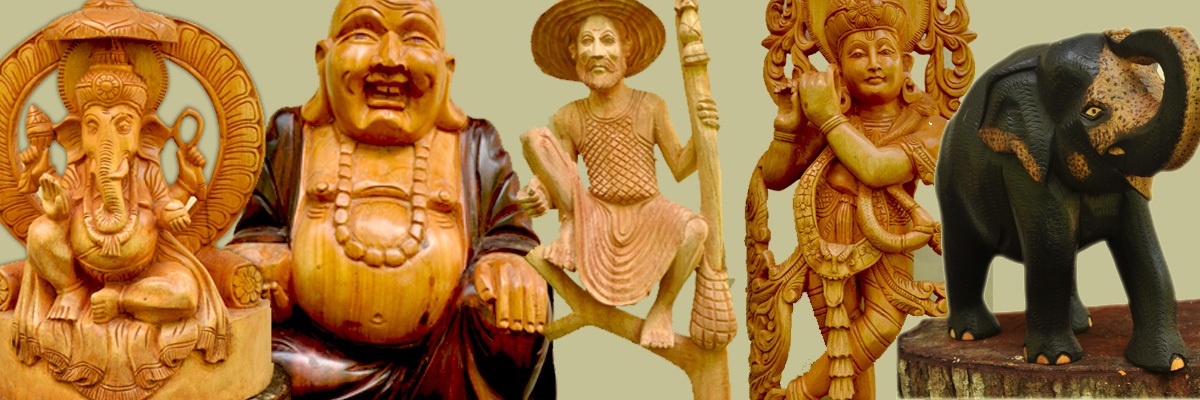
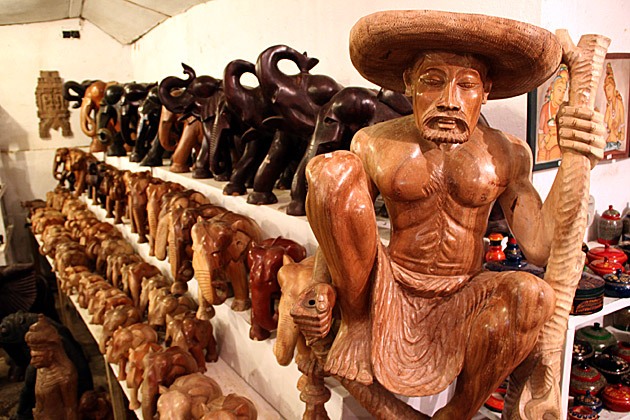
AM : After Breakfast Visit Botanical Garden at Peradeniya visit gem museum and View a show on gems and gem mining & wood carving.
PM : Proceed to the Hotel Dinner and overnight stay at the hotel.
Peradeniya Botanical Gardens.
Royal Botanical Garden, Peradeniya is situated about 5.5 km to the west from the city of Kandy in the Central Province of Sri Lanka and attracts 2 million visitors annually.It is renowned for its collection of a variety of orchids. It includes more than 4000 species of plants, including of orchids, spices, medicinal plants and palm trees.Attached to it is the National Herbarium of Sri Lanka. The total area of the botanical garden is 147 acres (0.59 km2), at 460 meters above sea level, and with a 200-day annual rainfall. It is managed by the Division of National Botanic Gardens of the Department of Agriculture.
Gem Museum
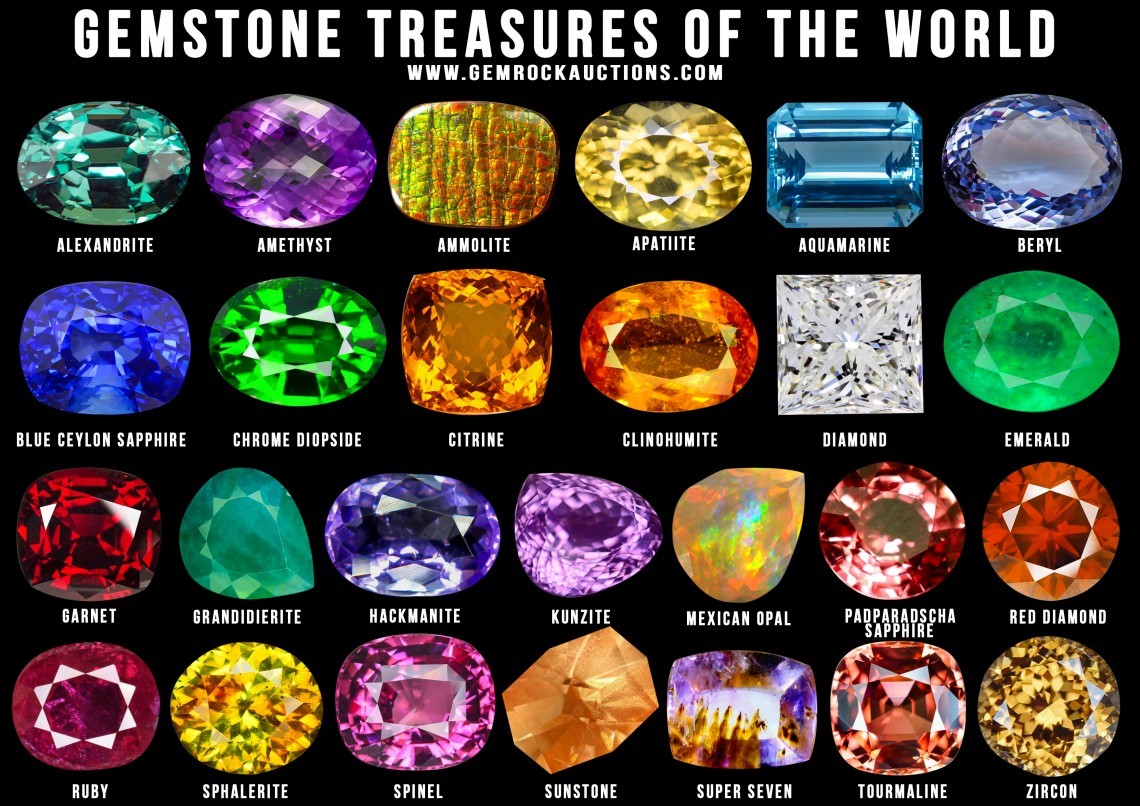
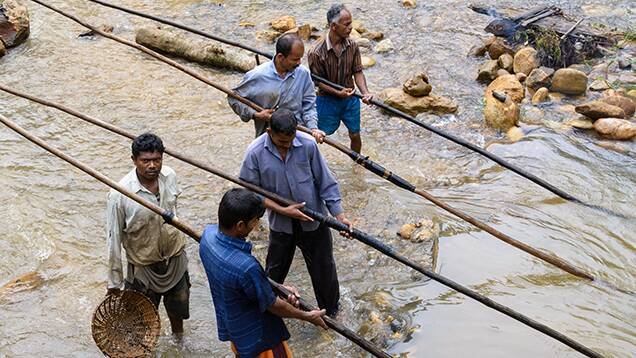
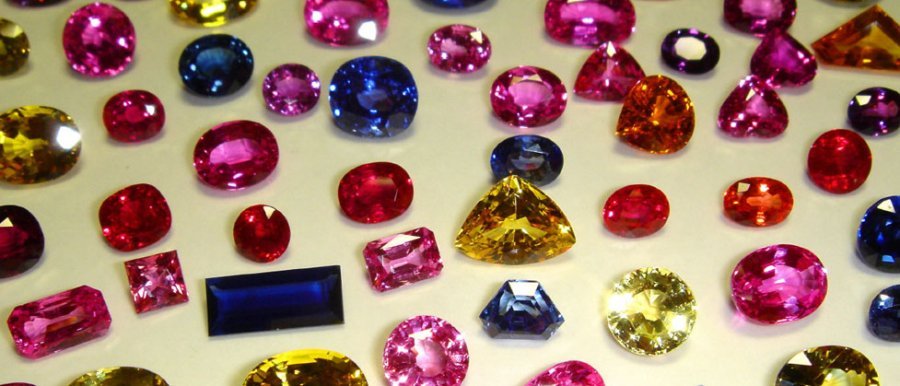
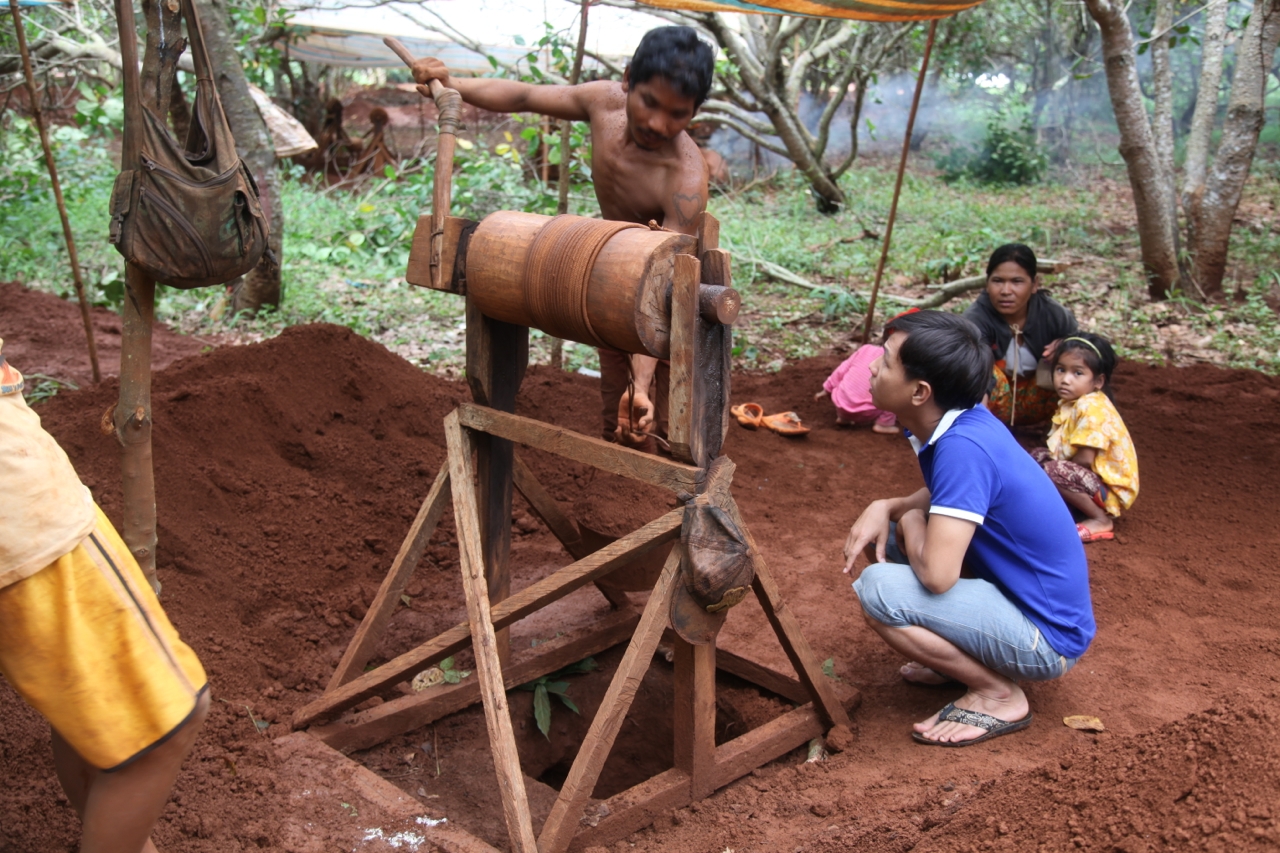
Wood Carving
Day 10– KANDY/ MATALE / DAMBULLA / SIGIRIYA
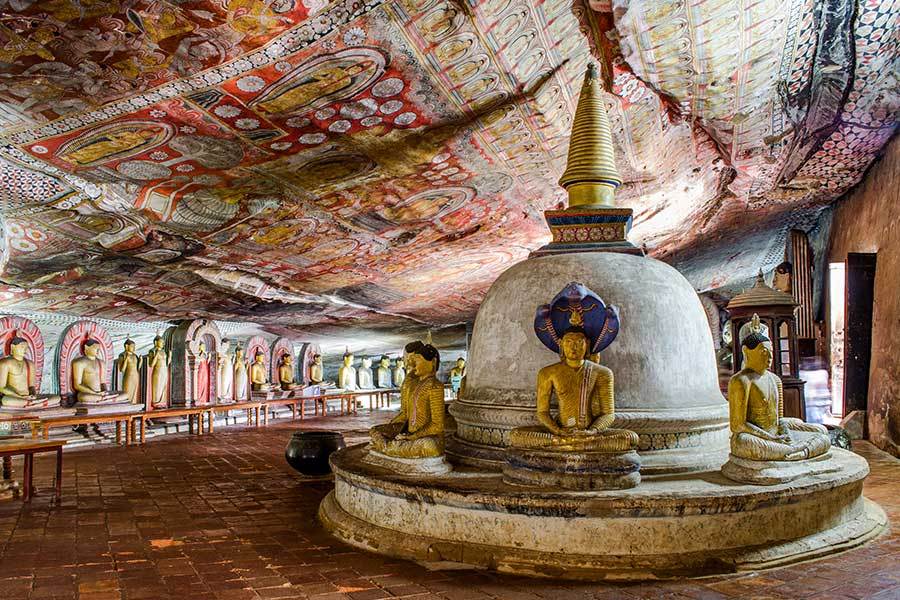
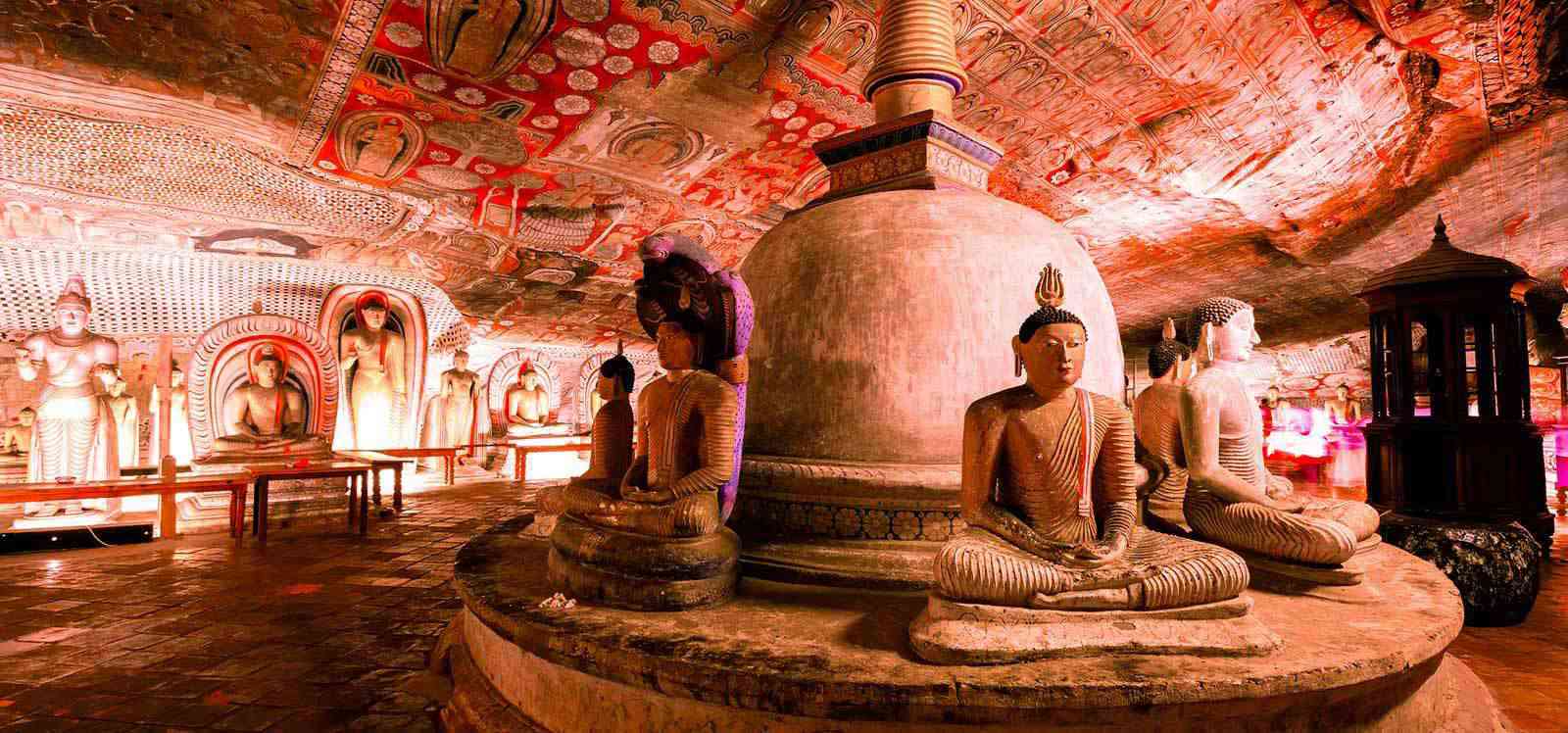
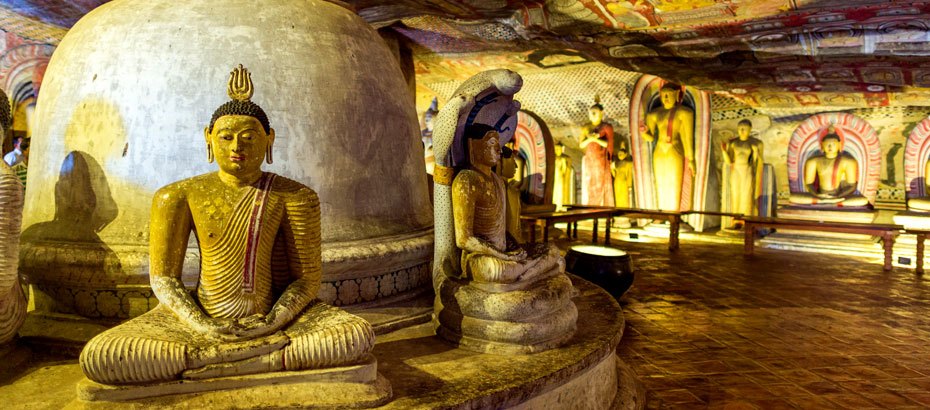
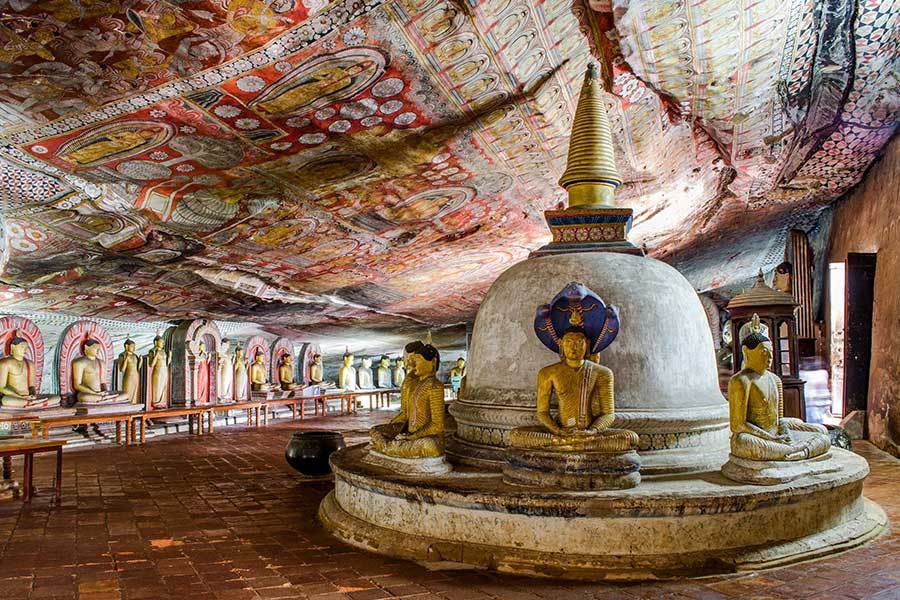
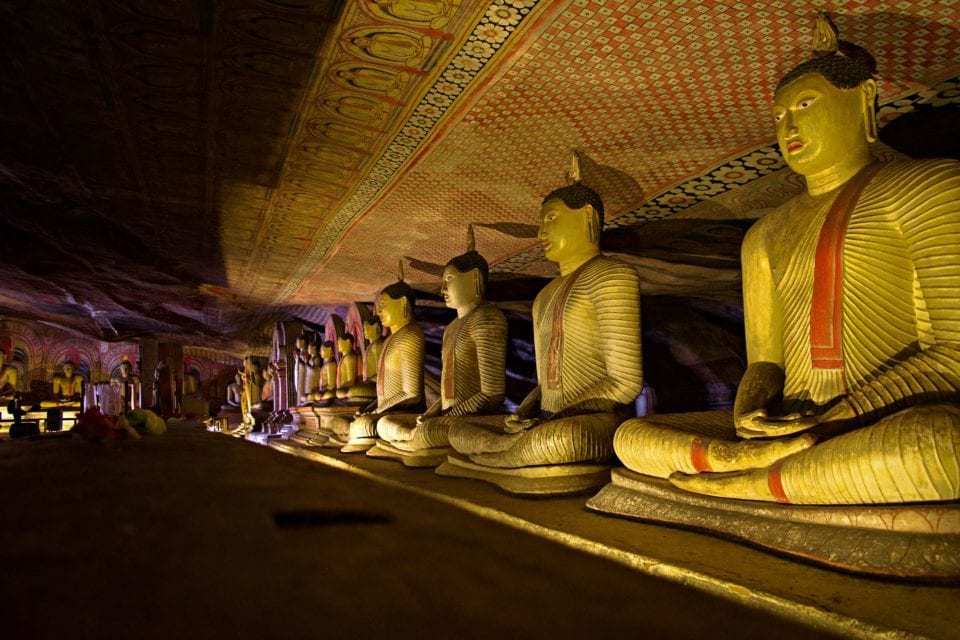
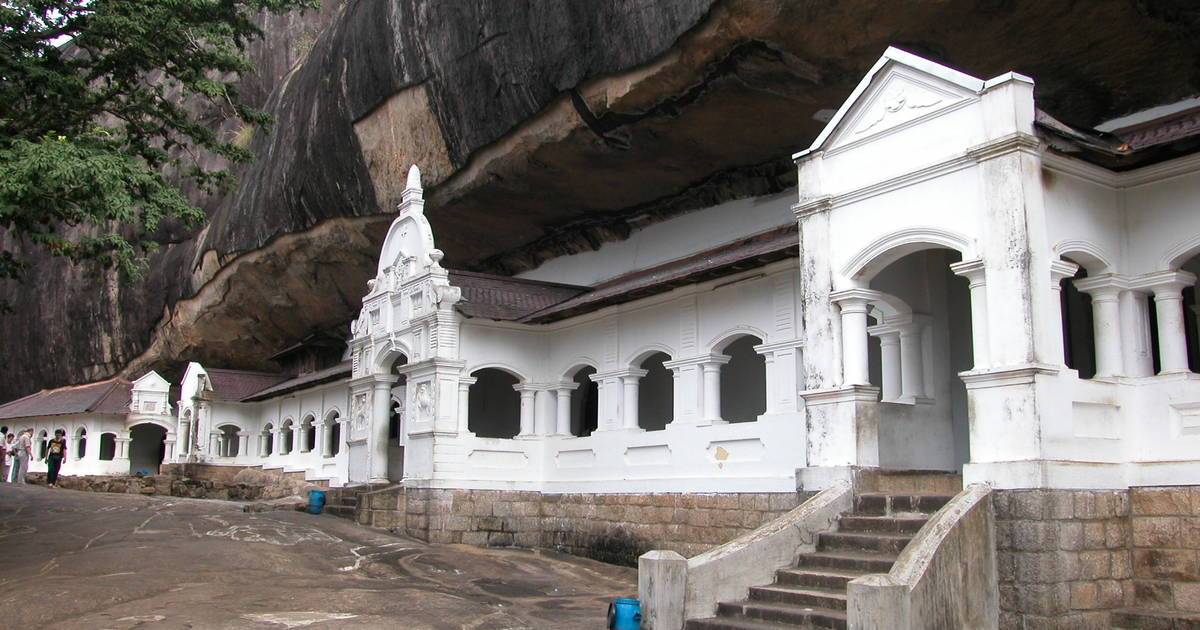
AM :After breakfast leave for Sigiriya, on route visit herbal spice garden at mathale and Dambulla Golden Temple Proceed to the Hotel.
PM : Proceed to the Hotel Dinner and overnight stay at the hotel.
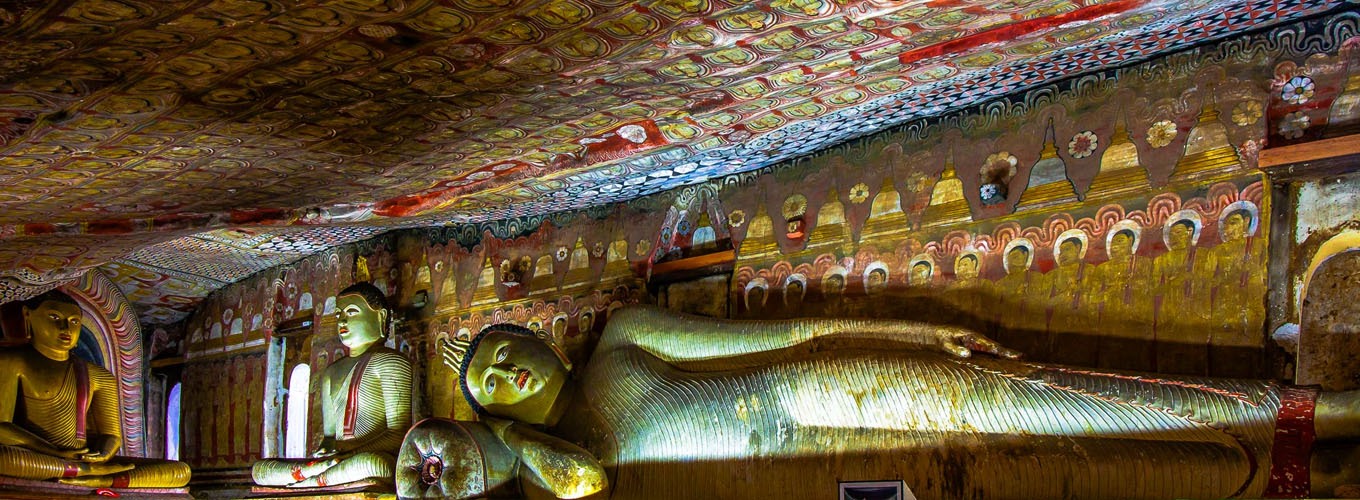
Dambulla Temple
Spice garden at Matale
During Past history Sri Lanka known as Taprobane, was world renowned for its Quality Spices. During ancient times the Greeks, Romans and the Arabic maintained their links with Sri Lanka through the spice trade. In the 16th century Ceylon, as it was then known, was discovered by Portuguese who soon began trading in cinnamon and other spices. The Dutch and British followed bringing with them their own history and influences, forming a strong Western presence which created a history of food expressed with spices which can be tasted in the dishes today. Spices are an essential element of the cuisine of Sri Lanka and the Ayurvedic tradition and a visit to a garden specializes in the cultivation of these substances and an excellent way for purposes of new uses of certain ingredients that perhaps though they knew well. Find cinnamon, cloves, nutmeg, vanilla, cardamom and black pepper, to name a few. Europeans can buy the products in their natural state or in the form of oils and potions that are used by Ayurvedic medicine, during the Dutch, very famous spices of Sri Lanka and we export to different countries. That has earned the country the name of “Island of the spices”.
Day 11 – SIGIRIYA
AM : After Breakfast Visit Sigiriya Rock and Village tour with lunch.
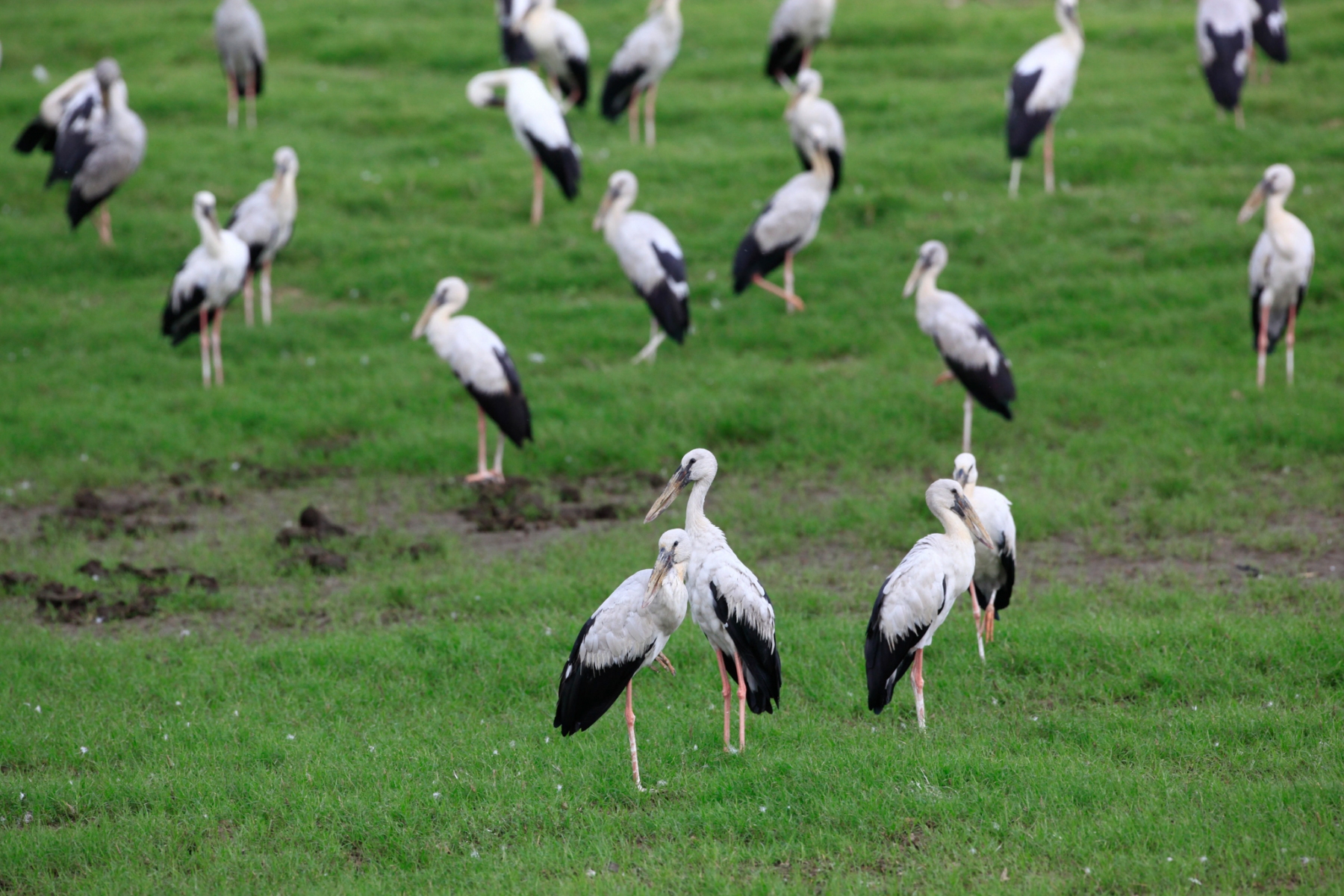
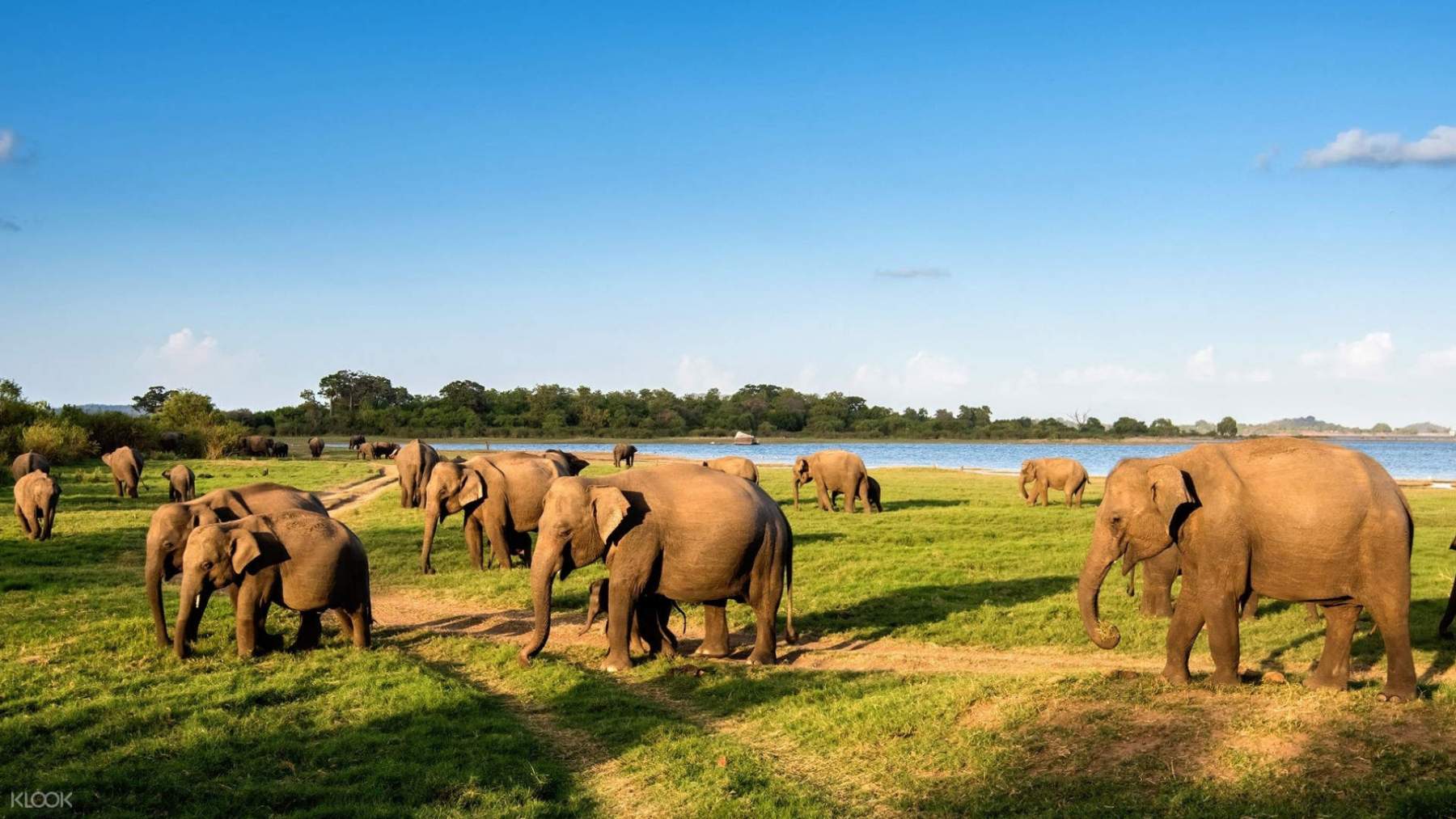
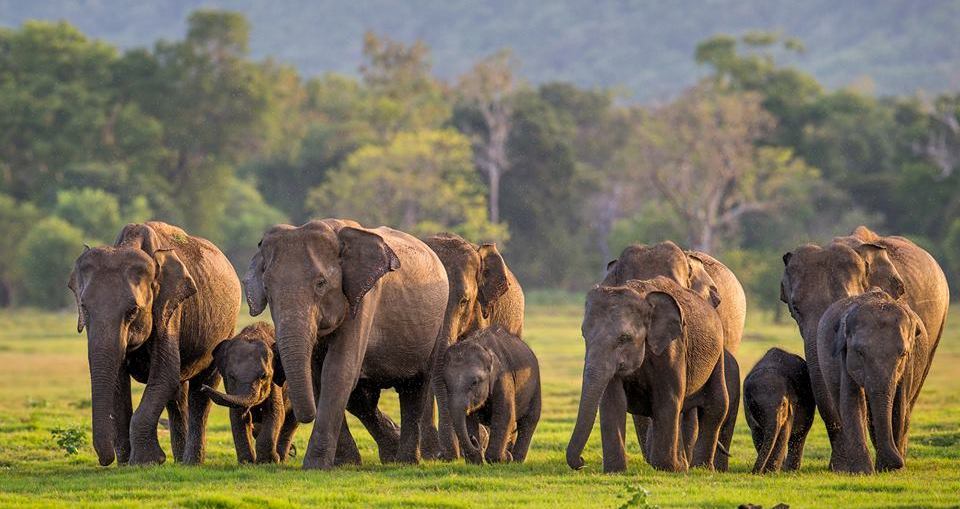
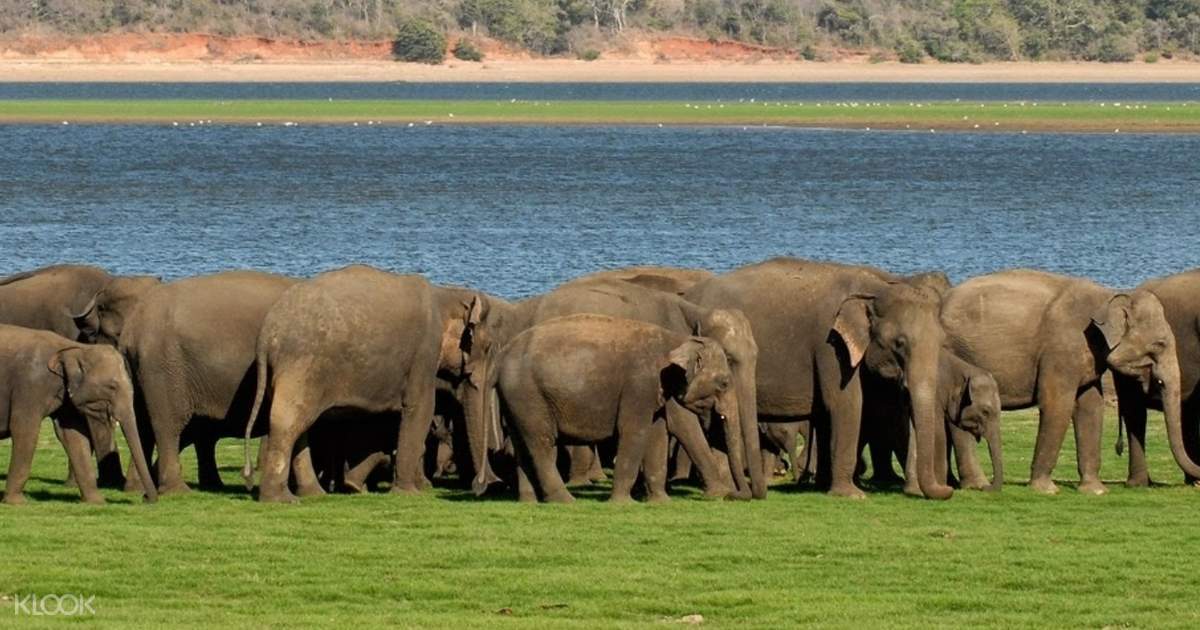
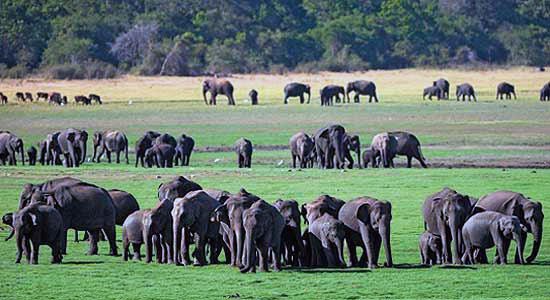
PM : Visit Minneriya National Park by jeep (Jeep Safari) Dinner & overnight stay at the hotel.
Sigiriya
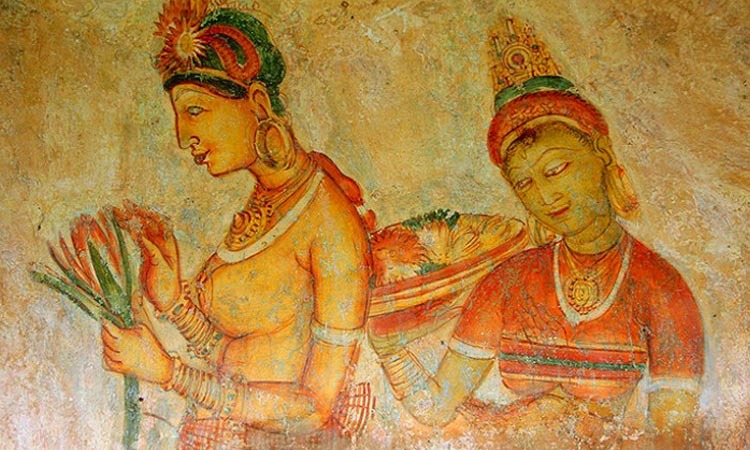
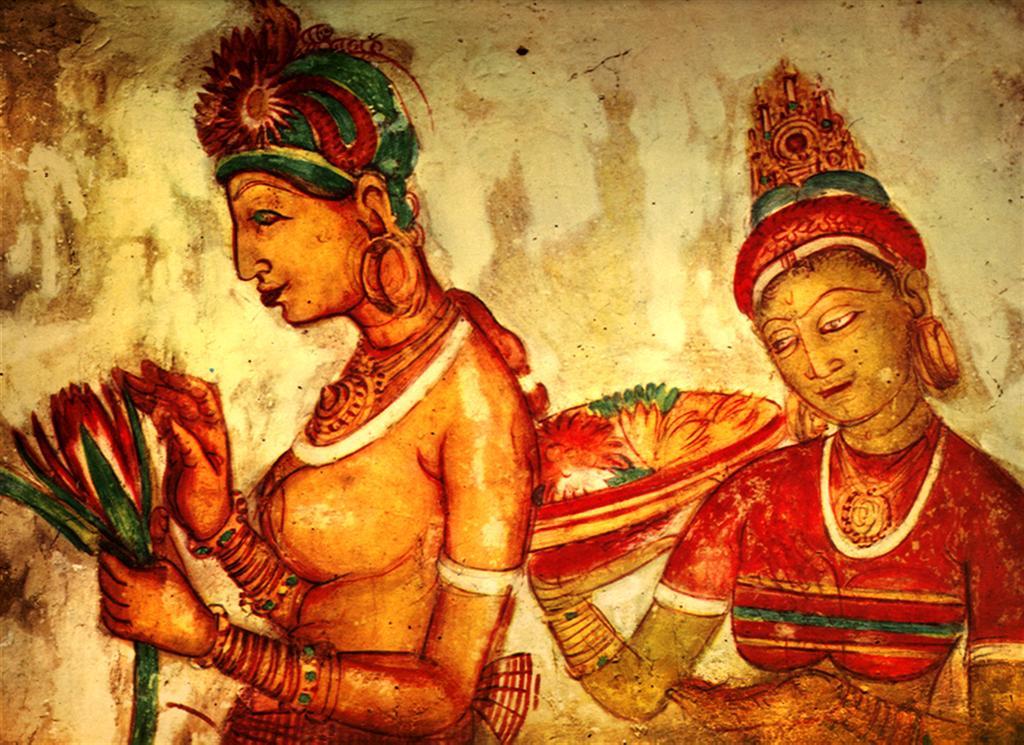
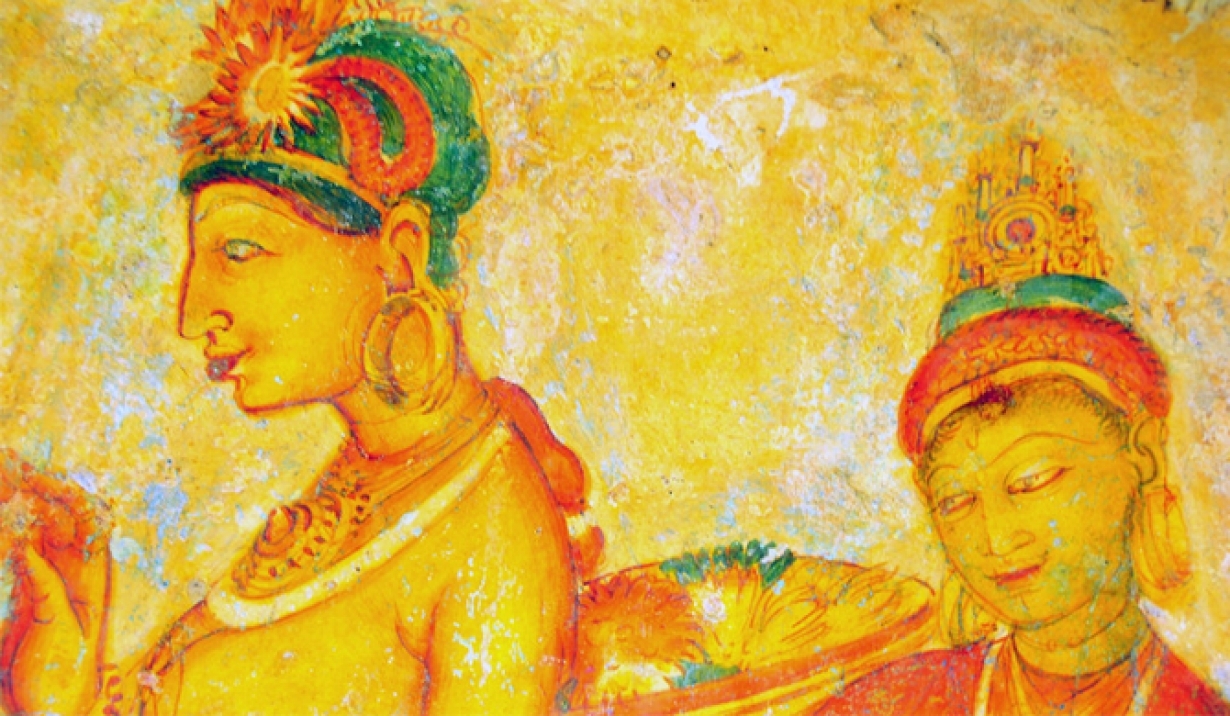
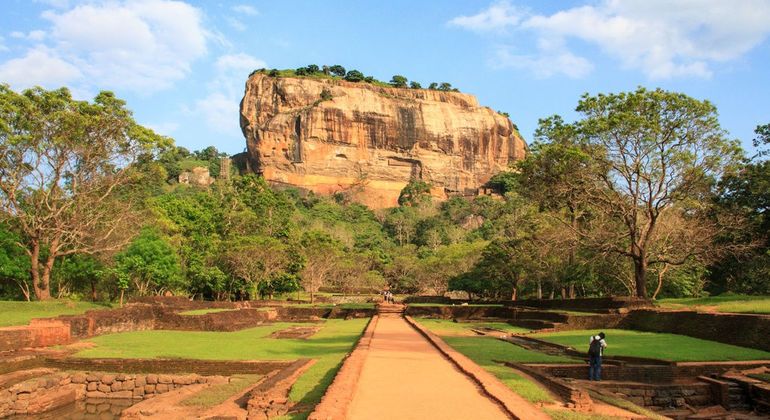
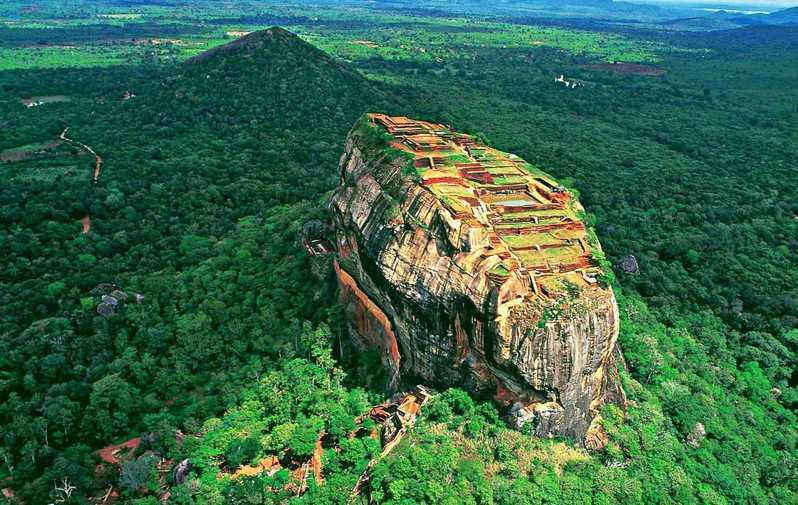
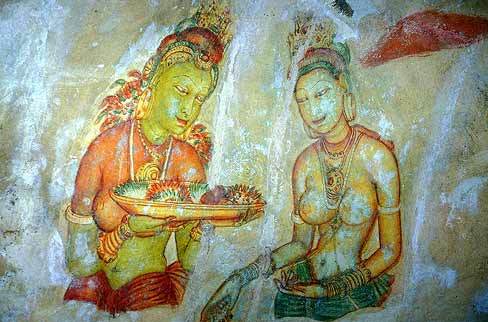
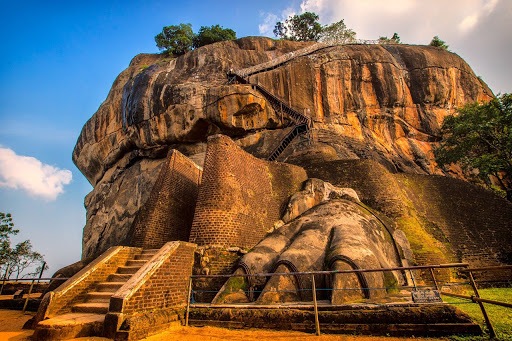
According to the ancient Sri Lankan chronicle the Cūḷavaṃsa, this area was a large forest, then after storms and landslides it became a hill and was selected by King Kashyapa (AD 477–495) for his new capital. He built his palace on top of this rock and decorated its sides with colourful frescoes. On a small plateau about halfway up the side of this rock he built a gateway in the form of an enormous lion. The name of this place is derived from this structure; Sīnhāgiri, the Lion Rock (an etymology similar to Sinhapura, the Sanskrit name of Singapore, the Lion City).
Minneriya National Park
Day 12 – SIGIRIYA/TRINCOMALEE BEACH
AM : After Breakfast leave to Trincomalee Beach
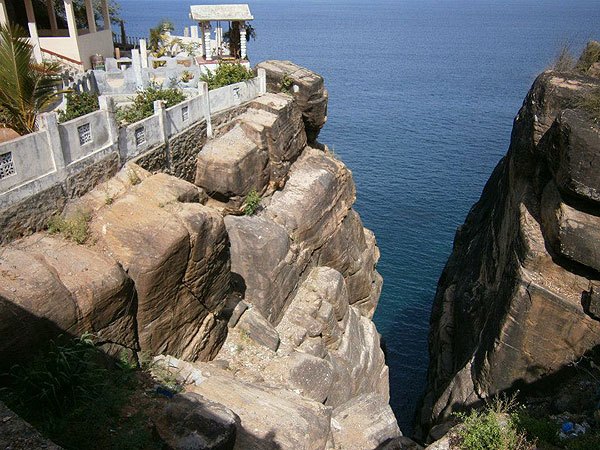
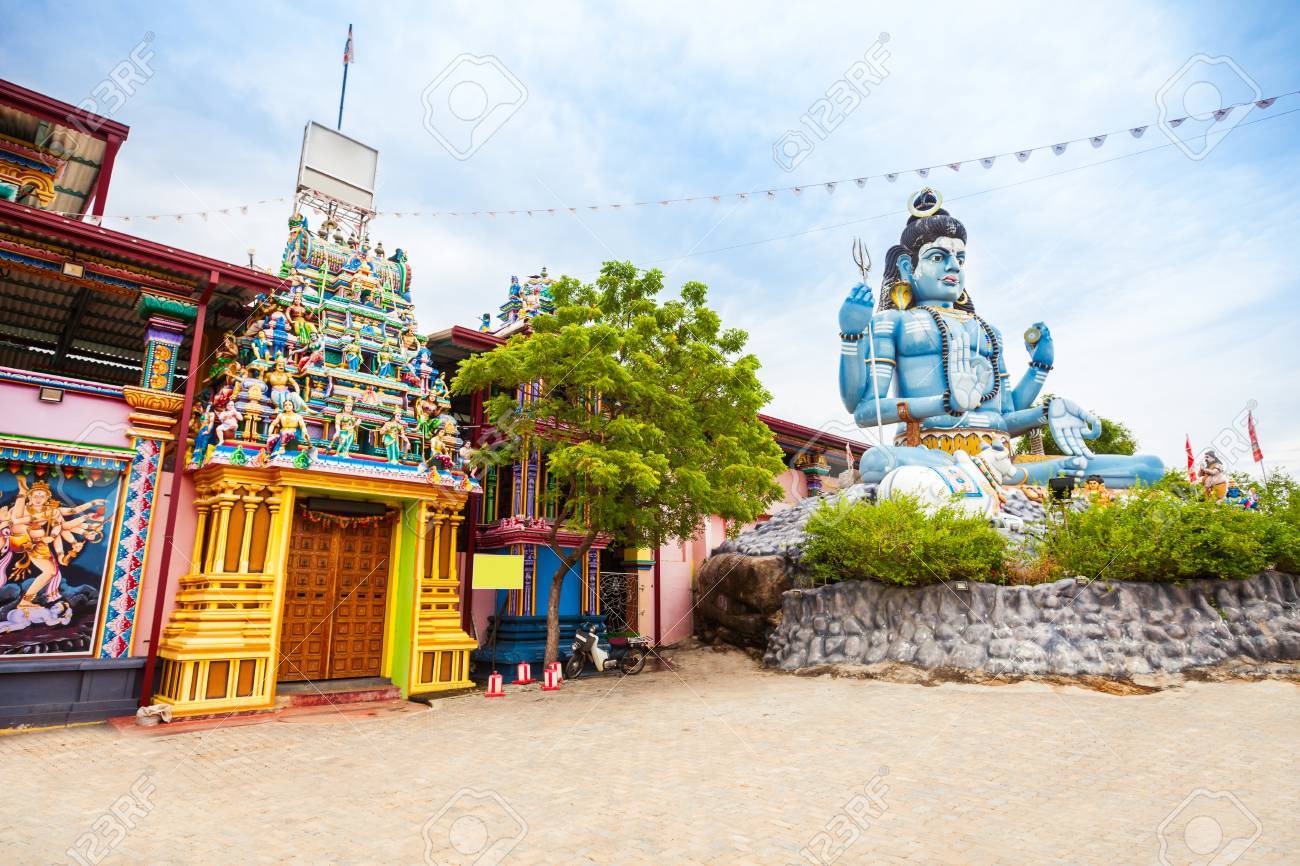
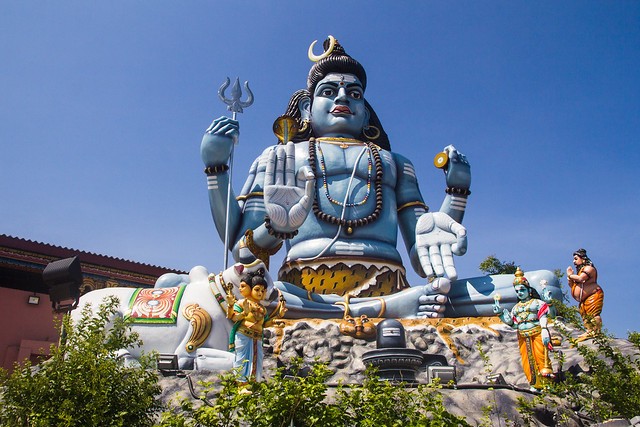
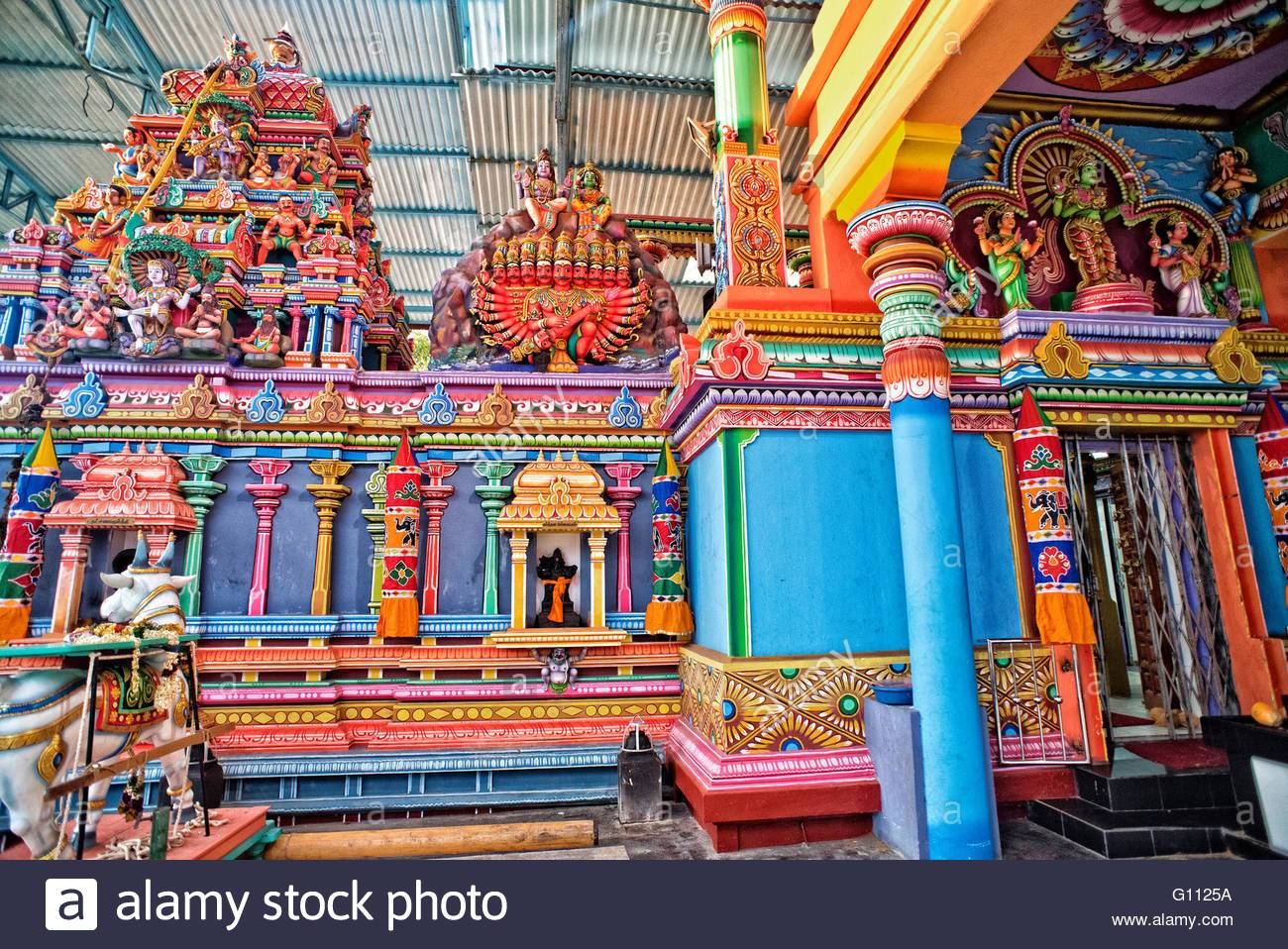
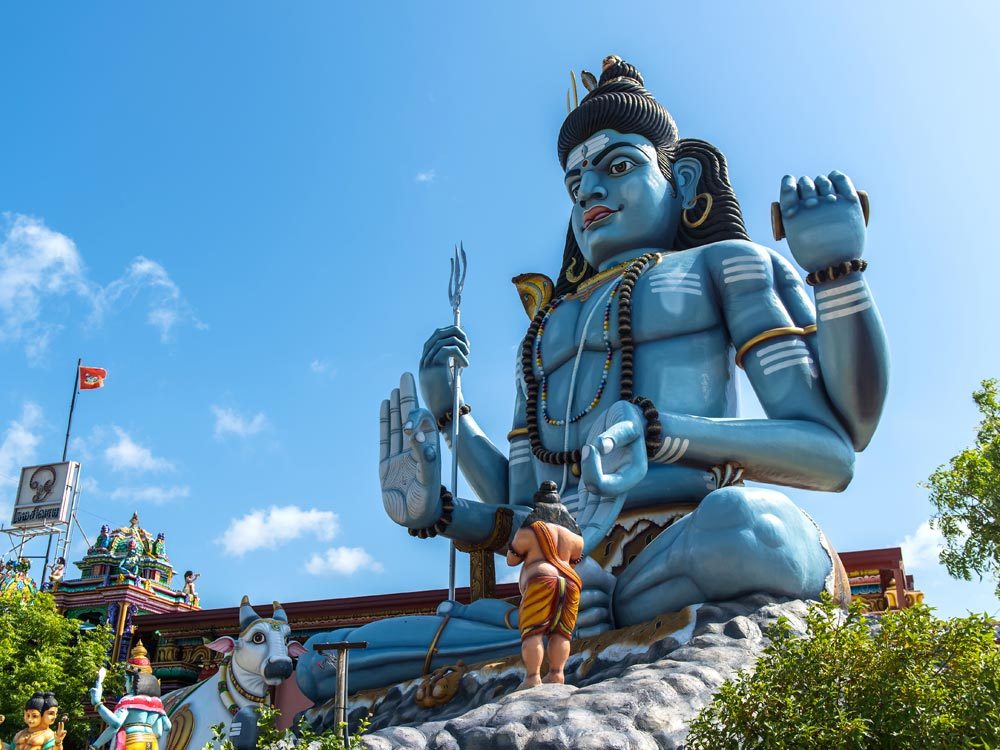
PM : Evening visit koneshwaram Hindu temple.
Koneswaram Temple of Trincomalee
Day 13 –TRINCOMALEE BEACH
Full day leisure in the beach
Day 14 –TRINCOMALEE TO NEGOMBO
AM : After Breakfast leave to Negombo Beach
PM : Proceed to the Hotel Dinner and overnight stay at the hotel.
Day 15 –NEGOMBO TO AIRPORT
XX : Transfer to the airport for departure. Please note you have to be at the airport 02 ½ hours before flight departure (Airport regulations)
Thank you very much for Travelling by Amazing Lanka Travels.
There are no comments yet.